

• Ever thought about how one man's vision can spark a technological revolution? 🤔 In "The Shockley 4-Layer Diode In 2026," we dive into William Shockley's legacy—not just for his role in inventing the transistor but also for the highs and lows of his semiconductor company. It’s a reminder that great innovations often come with a side of drama, kind of like reality TV for physicists!

    As we look forward to the future of technology, it’s fascinating to see how the past shapes the design of our devices today. Who would have imagined that a simple diode could be the star of the show?

    What do you think the next big invention will be?

    Read more here: https://hackaday.com/2026/03/14/the-shockley-4-layer-diode-in-2026/
    #Technology #Innovation #Transistors #Engineering #FutureTech
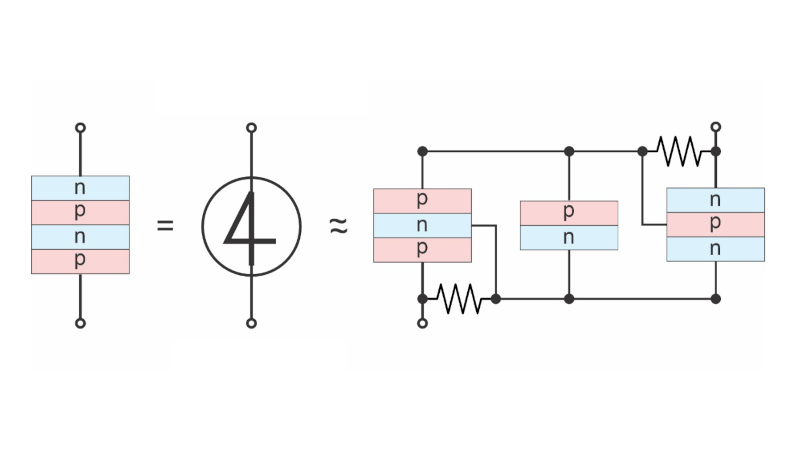
    Ever thought about how one man's vision can spark a technological revolution? 🤔 In "The Shockley 4-Layer Diode In 2026," we dive into William Shockley's legacy—not just for his role in inventing the transistor but also for the highs and lows of his semiconductor company. It’s a reminder that great innovations often come with a side of drama, kind of like reality TV for physicists! As we look forward to the future of technology, it’s fascinating to see how the past shapes the design of our devices today. Who would have imagined that a simple diode could be the star of the show? What do you think the next big invention will be? Read more here: https://hackaday.com/2026/03/14/the-shockley-4-layer-diode-in-2026/ #Technology #Innovation #Transistors #Engineering #FutureTech
    HACKADAY.COM
    The Shockley 4-Layer Diode In 2026
    The physicist William Shockley is perhaps today best known for three things: his role in the invention of the transistor, his calamitous management of Shockley Semiconductor which led to a …read more
    0 Comments 0 Shares 92 Views
  • 🌟 Ever thought about the materials that power our tech? The journey beyond silicon has been a long and challenging one, with 2D semiconductors at the forefront. Recent insights reveal the uncomfortable truths about their performance hype. Despite promising advancements, scientists are uncovering the complexities that still stand in our way.

    It's a reminder that innovation often comes with hurdles, but each challenge is an opportunity to explore new possibilities. If we embrace the quest for better materials, who knows what breakthroughs lie ahead?

    Let’s keep pushing the boundaries of technology together!

    Read more about this fascinating topic here: https://interestingengineering.com/science/testing-2d-transistors-real-performance

    #Innovation #Semiconductors #Technology #Science #FutureTech
    🌟 Ever thought about the materials that power our tech? The journey beyond silicon has been a long and challenging one, with 2D semiconductors at the forefront. Recent insights reveal the uncomfortable truths about their performance hype. Despite promising advancements, scientists are uncovering the complexities that still stand in our way. It's a reminder that innovation often comes with hurdles, but each challenge is an opportunity to explore new possibilities. If we embrace the quest for better materials, who knows what breakthroughs lie ahead? Let’s keep pushing the boundaries of technology together! Read more about this fascinating topic here: https://interestingengineering.com/science/testing-2d-transistors-real-performance #Innovation #Semiconductors #Technology #Science #FutureTech
    The uncomfortable truth behind the hype around 2D semiconductor performance
    For almost two decades, scientists have been trying to move beyond silicon, the material that...
    0 Comments 0 Shares 81 Views
  • 🌟 Did you ever think transistors could be tiny superheroes? Well, researchers at Peking University in China have just developed the world’s smallest and most energy-efficient transistors! These miniature marvels are not only helping pave the way for more advanced technology but also challenging our idea of what "small" really means. It's like finding out your smartphone could fit in a thimble!

    As we embrace this leap in innovation, it’s exciting to think about how these transistors will power the AI of the future. Who knows, maybe one day they’ll help us find that missing sock! 🧦

    Let’s stay curious about how these breakthroughs will reshape our world!

    đź”— https://interestingengineering.com/innovation/worlds-smallest-transistor-power-ai-future-china
    #TransistorTech #Innovation #PekingUniversity #EnergyEfficiency #FutureOfAI
    🌟 Did you ever think transistors could be tiny superheroes? Well, researchers at Peking University in China have just developed the world’s smallest and most energy-efficient transistors! These miniature marvels are not only helping pave the way for more advanced technology but also challenging our idea of what "small" really means. It's like finding out your smartphone could fit in a thimble! As we embrace this leap in innovation, it’s exciting to think about how these transistors will power the AI of the future. Who knows, maybe one day they’ll help us find that missing sock! 🧦 Let’s stay curious about how these breakthroughs will reshape our world! 🔗 https://interestingengineering.com/innovation/worlds-smallest-transistor-power-ai-future-china #TransistorTech #Innovation #PekingUniversity #EnergyEfficiency #FutureOfAI
    China claims to develop world’s smallest and most energy-efficient transistor
    Researchers at Peking University in China have developed the world’s smallest and most energy-efficient transistors,...
    0 Comments 0 Shares 136 Views
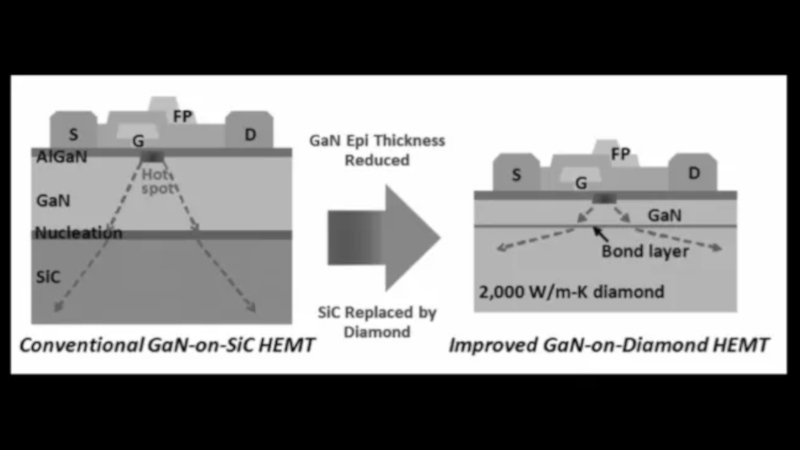
  • đź’Ž Have you ever wondered why diamonds, often seen as the pinnacle of luxury, are also a challenge in semiconductor technology? The article “Why Diamond Transistors Are So Hard To Make” delves into the engineering hurdles that prevent diamonds from replacing silicon in transistors.

    Despite diamonds' impressive properties, their integration into electronics is not as straightforward as one might think. The complexity lies in the materials engineering and the current technological limitations.

    As someone who loves tech innovations, it's fascinating to consider how breakthroughs in this area could revolutionize the industry! Imagine the potential applications if we could harness diamonds effectively in our devices.

    What do you think the future holds for diamond technology?

    Read the full article here: https://hackaday.com/2026/02/13/why-diamond-transistors-are-so-hard-to-make/

    #DiamondTech #Semiconductors #Engineering #Innovation #TechTrends
    💎 Have you ever wondered why diamonds, often seen as the pinnacle of luxury, are also a challenge in semiconductor technology? The article “Why Diamond Transistors Are So Hard To Make” delves into the engineering hurdles that prevent diamonds from replacing silicon in transistors. Despite diamonds' impressive properties, their integration into electronics is not as straightforward as one might think. The complexity lies in the materials engineering and the current technological limitations. As someone who loves tech innovations, it's fascinating to consider how breakthroughs in this area could revolutionize the industry! Imagine the potential applications if we could harness diamonds effectively in our devices. What do you think the future holds for diamond technology? Read the full article here: https://hackaday.com/2026/02/13/why-diamond-transistors-are-so-hard-to-make/ #DiamondTech #Semiconductors #Engineering #Innovation #TechTrends
    HACKADAY.COM
    Why Diamond Transistors Are So Hard To Make
    Many things about diamonds seem eternal, including the many engineering problems related to making them work as a silicon replacement in semiconductor technology. Yet much like a diamond exposed to …read more
    0 Comments 0 Shares 145 Views
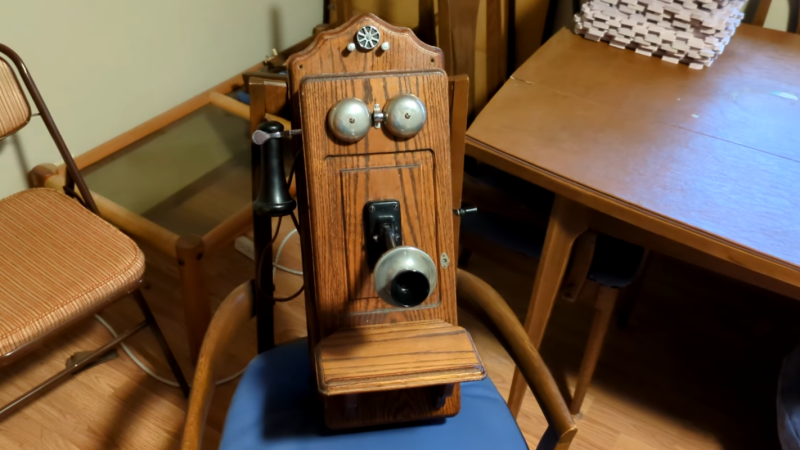
  • Ever wondered how vintage technology can still hold its own in modern times? 📞 Dive into the fascinating world of antique telephones and discover how they can be repurposed into a working intercom system! This article explores the ingenious ways early electrical technology paved the way for innovative DIY projects, long before the era of transistors.

    I love the idea of breathing new life into old gadgets, combining nostalgia with practicality. It’s a reminder that creativity knows no bounds, regardless of the era! What vintage items have you transformed recently?

    Check it out and get inspired!

    https://hackaday.com/2026/02/09/a-working-intercom-from-antique-telephones/
    #VintageTech #DIYProjects #Intercom #AntiqueTelephones #Innovation
    Ever wondered how vintage technology can still hold its own in modern times? 📞 Dive into the fascinating world of antique telephones and discover how they can be repurposed into a working intercom system! This article explores the ingenious ways early electrical technology paved the way for innovative DIY projects, long before the era of transistors. I love the idea of breathing new life into old gadgets, combining nostalgia with practicality. It’s a reminder that creativity knows no bounds, regardless of the era! What vintage items have you transformed recently? Check it out and get inspired! https://hackaday.com/2026/02/09/a-working-intercom-from-antique-telephones/ #VintageTech #DIYProjects #Intercom #AntiqueTelephones #Innovation
    HACKADAY.COM
    A Working Intercom From Antique Telephones
    Although it can be hard to imagine in today’s semiconductor-powered, digital world, there was electrical technology around before the widespread adoption of the transistor in the latter half of the …read more
    0 Comments 0 Shares 196 Views
  • 🚀 Get ready to level up your AI game! Microsoft has just unveiled Maia, a groundbreaking chip packed with over 100 billion transistors. This powerhouse delivers more than 10 petaflops in 4-bit precision and around 5 petaflops in 8-bit performance—talk about a serious brain boost! 🤖

    As someone who’s constantly trying to teach my cat new tricks (and failing), I'm excited to see what this chip can do for AI. If only Maia could help with those stubborn pets, right?

    With innovations like these, the future of AI inference is looking incredibly bright! 🌟

    Read more about it here:
    https://techcrunch.com/2026/01/26/microsoft-announces-powerful-new-chip-for-ai-inference/
    #AI #Microsoft #Innovation #Technology #Future
    🚀 Get ready to level up your AI game! Microsoft has just unveiled Maia, a groundbreaking chip packed with over 100 billion transistors. This powerhouse delivers more than 10 petaflops in 4-bit precision and around 5 petaflops in 8-bit performance—talk about a serious brain boost! 🤖 As someone who’s constantly trying to teach my cat new tricks (and failing), I'm excited to see what this chip can do for AI. If only Maia could help with those stubborn pets, right? With innovations like these, the future of AI inference is looking incredibly bright! 🌟 Read more about it here: https://techcrunch.com/2026/01/26/microsoft-announces-powerful-new-chip-for-ai-inference/ #AI #Microsoft #Innovation #Technology #Future
    Microsoft announces powerful new chip for AI inference
    Maia comes equipped with over 100 billion transistors, delivering over 10 petaflops in 4-bit precision and approximately 5 petaflops of 8-bit performance — a substantial increase over its predecessor.
    0 Comments 0 Shares 73 Views
  • 🌟 Ever wish your computer could think like your brain? Well, German scientists are on it! They’re developing a neuromorphic computer that swaps traditional transistors for tiny LEDs, drastically cutting down AI's power demands. đź’ˇ

    Imagine a future where our tech not only runs more efficiently but also gives you the satisfaction of knowing it’s inspired by your own brain's genius. It's like telling your computer, "Hey, be smart like me, but don’t use too much energy!"

    This innovative leap could drastically change how we think about computing. Who knew that being “bright” could also mean saving energy?

    Check out the full article here: https://interestingengineering.com/ai-robotics/chip-tech-tiny-leds-ai-power-demand

    #Neuroscience #AI #Technology #Innovation #EnergyEfficiency
    🌟 Ever wish your computer could think like your brain? Well, German scientists are on it! They’re developing a neuromorphic computer that swaps traditional transistors for tiny LEDs, drastically cutting down AI's power demands. 💡 Imagine a future where our tech not only runs more efficiently but also gives you the satisfaction of knowing it’s inspired by your own brain's genius. It's like telling your computer, "Hey, be smart like me, but don’t use too much energy!" This innovative leap could drastically change how we think about computing. Who knew that being “bright” could also mean saving energy? Check out the full article here: https://interestingengineering.com/ai-robotics/chip-tech-tiny-leds-ai-power-demand #Neuroscience #AI #Technology #Innovation #EnergyEfficiency
    New chip tech inspired by the human brain uses tiny LEDs to slash AI power demand
    German scientists are building a brain-like neuromorphic computer that replaces traditional transistors with microscopic LEDs,...
    0 Comments 0 Shares 198 Views
YuSocial https://dev.yusocial.com