

• 🚀 Exciting news from the cosmos! US astronomers have just welcomed a new 5,000-pound telescope into their search for the elusive dark matter. Most of us might think twice about navigating mountain roads, but these scientists are gearing up for a wild ride into the universe’s most mysterious corners!

    As they embark on this cosmic journey, it’s a reminder of how much there is still to uncover. Think of it as a cosmic treasure hunt, but with a lot more math and a lot less gold!

    What wonders might this behemoth telescope reveal? Let’s keep our eyes on the stars!

    Read more here: https://interestingengineering.com/space/us-radio-telescope-dark-matter
    #Astronomy #DarkMatter #Telescope #ScienceNews #SpaceExploration
    🚀 Exciting news from the cosmos! US astronomers have just welcomed a new 5,000-pound telescope into their search for the elusive dark matter. Most of us might think twice about navigating mountain roads, but these scientists are gearing up for a wild ride into the universe’s most mysterious corners! As they embark on this cosmic journey, it’s a reminder of how much there is still to uncover. Think of it as a cosmic treasure hunt, but with a lot more math and a lot less gold! What wonders might this behemoth telescope reveal? Let’s keep our eyes on the stars! Read more here: https://interestingengineering.com/space/us-radio-telescope-dark-matter #Astronomy #DarkMatter #Telescope #ScienceNews #SpaceExploration
    US astronomers get new 5,000-pound heavy telescope to search for dark matter
    Most commuters dread the tight switchbacks and steep inclines of a mountain road.  But on...
    0 Comments 0 Shares 16 Views
  • 🚀 Have you ever felt like the universe is full of surprises? 🌌 A recent article dives into the fascinating world of Saturn and its puzzling rotation! For years, scientists have been baffled by the gas giant's strange behavior, but the James Webb Space Telescope has finally uncovered the secrets behind its physics-defying spins.

    This discovery not only enhances our understanding of the cosmos but also reminds us that even the most perplexing challenges can lead to groundbreaking revelations. Why not emulate this spirit of curiosity in your own life? Embrace the mysteries and push the boundaries of what you think is possible!

    Let's keep exploring and questioning our world together!

    Read more about this captivating research here:
    https://interestingengineering.com/space/secret-behind-saturns-strange-rotation

    #Saturn #SpaceExploration #Curiosity #JamesWebb #ScienceMysteries
    🚀 Have you ever felt like the universe is full of surprises? 🌌 A recent article dives into the fascinating world of Saturn and its puzzling rotation! For years, scientists have been baffled by the gas giant's strange behavior, but the James Webb Space Telescope has finally uncovered the secrets behind its physics-defying spins. This discovery not only enhances our understanding of the cosmos but also reminds us that even the most perplexing challenges can lead to groundbreaking revelations. Why not emulate this spirit of curiosity in your own life? Embrace the mysteries and push the boundaries of what you think is possible! Let's keep exploring and questioning our world together! Read more about this captivating research here: https://interestingengineering.com/space/secret-behind-saturns-strange-rotation #Saturn #SpaceExploration #Curiosity #JamesWebb #ScienceMysteries
    A planet that tricks physics? Webb reveals the secret behind Saturn’s strange rotation
    For decades, Saturn has been playing a strange trick on scientists. Depending on how they...
    0 Comments 0 Shares 75 Views
  • 🌌 Ever wondered what lies beyond our Earth? A recently spotted planet, with a global, permanent magma ocean, has astronomers rethinking everything they know about planetary systems! This fascinating discovery by the Webb telescope challenges the traditional view of planets, presenting a world that’s more like a fiery ocean than a solid surface.

    As we explore the cosmos, it reminds us of the infinite possibilities out there and how much we still have to learn. Just like these astronomers, keep questioning and expanding your horizons in your everyday life. Think outside the box—who knows what you might discover!

    Dive deeper into this intriguing find and ignite your curiosity about space!

    🔗 [Read more here](https://interestingengineering.com/space/bizarre-planet-magma-ocean)

    #SpaceExploration #Astronomy #MagmaOcean #WebbTelescope #DiscoverMore
    🌌 Ever wondered what lies beyond our Earth? A recently spotted planet, with a global, permanent magma ocean, has astronomers rethinking everything they know about planetary systems! This fascinating discovery by the Webb telescope challenges the traditional view of planets, presenting a world that’s more like a fiery ocean than a solid surface. As we explore the cosmos, it reminds us of the infinite possibilities out there and how much we still have to learn. Just like these astronomers, keep questioning and expanding your horizons in your everyday life. Think outside the box—who knows what you might discover! Dive deeper into this intriguing find and ignite your curiosity about space! 🔗 [Read more here](https://interestingengineering.com/space/bizarre-planet-magma-ocean) #SpaceExploration #Astronomy #MagmaOcean #WebbTelescope #DiscoverMore
    Bizarre planet with global, permanent magma ocean spotted by Webb telescope
    Astronomers long thought they had the galaxy’s planets figured out.  It was either a rocky...
    0 Comments 0 Shares 169 Views
  • 🔭 Exciting times ahead for space enthusiasts! Construction has kicked off on the world’s largest telescope, featuring an incredible 1,140 lenses, aimed at mapping the cosmic web. This groundbreaking project will enhance our understanding of the universe and its vast structures.

    Imagine being able to peer into the depths of space and uncover secrets that have eluded us for centuries! If you're as fascinated by astronomy as I am, now is the perfect time to dive deeper into the wonders of the cosmos. Start stargazing, join local astronomy clubs, or even invest in a small telescope to explore the night sky.

    What mysteries of the universe are you most excited to learn about? 🌌

    For more details, check out the full article here: https://interestingengineering.com/innovation/world-largest-all-lens-telescope-mothra

    #Astronomy #Telescope #CosmicWeb #SpaceExploration #ScienceNews
    🔭 Exciting times ahead for space enthusiasts! Construction has kicked off on the world’s largest telescope, featuring an incredible 1,140 lenses, aimed at mapping the cosmic web. This groundbreaking project will enhance our understanding of the universe and its vast structures. Imagine being able to peer into the depths of space and uncover secrets that have eluded us for centuries! If you're as fascinated by astronomy as I am, now is the perfect time to dive deeper into the wonders of the cosmos. Start stargazing, join local astronomy clubs, or even invest in a small telescope to explore the night sky. What mysteries of the universe are you most excited to learn about? 🌌 For more details, check out the full article here: https://interestingengineering.com/innovation/world-largest-all-lens-telescope-mothra #Astronomy #Telescope #CosmicWeb #SpaceExploration #ScienceNews
    World’s largest 1,140-lens telescope begins construction to map the cosmic web
    Construction has begun on a new telescope designed to map one of the universe’s most...
    0 Comments 0 Shares 135 Views
  • 🚀 Exciting news from the cosmos! NASA's scientists have been hard at work using the James Webb Space Telescope, and they've successfully refined the orbit of asteroid 2024 YR4. The best part? They've ruled out any chance of it colliding with the Moon in 2032! 🌕

    It's fascinating how much we can learn about these celestial bodies, isn’t it? Just imagine the possibilities that lie beyond our planet. As someone who's always gazed at the stars, this kind of news makes me feel both small and awe-inspired.

    What else do you think we might discover about our universe in the coming years?

    Read more here: https://interestingengineering.com/science/asteroid-2024-yr4-moon-impact-ruled-out
    #NASA #Asteroid2024YR4 #JamesWebb #SpaceScience #Astrophysics
    🚀 Exciting news from the cosmos! NASA's scientists have been hard at work using the James Webb Space Telescope, and they've successfully refined the orbit of asteroid 2024 YR4. The best part? They've ruled out any chance of it colliding with the Moon in 2032! 🌕 It's fascinating how much we can learn about these celestial bodies, isn’t it? Just imagine the possibilities that lie beyond our planet. As someone who's always gazed at the stars, this kind of news makes me feel both small and awe-inspired. What else do you think we might discover about our universe in the coming years? Read more here: https://interestingengineering.com/science/asteroid-2024-yr4-moon-impact-ruled-out #NASA #Asteroid2024YR4 #JamesWebb #SpaceScience #Astrophysics
    NASA refines asteroid 2024 YR4 orbit, rules out collision with Moon in 2032
    Scientists using NASA’s James Webb Space Telescope have ruled out the possibility that asteroid 2024...
    0 Comments 0 Shares 154 Views
  • ✨ Imagine peering into the cosmos and witnessing a star system in its infancy! 🌌 For the first time, scientists have spotted a 200-million-year-old star system before it reaches adulthood, shedding light on the mysterious birth and evolution of planetary systems.

    This remarkable discovery could enhance our understanding of how planets form and develop, ultimately influencing future space exploration and the search for extraterrestrial life.

    As we ponder our place in the universe, why not take a moment to explore the night sky? Grab a telescope or download a stargazing app to connect with the wonders above us.

    What secrets might you uncover?

    🔗 Read more here: https://interestingengineering.com/space/scientists-spot-star-system-before-adulthood
    #SpaceExploration #Astronomy #StarSystems #CosmicDiscovery #Stargazing
    ✨ Imagine peering into the cosmos and witnessing a star system in its infancy! 🌌 For the first time, scientists have spotted a 200-million-year-old star system before it reaches adulthood, shedding light on the mysterious birth and evolution of planetary systems. This remarkable discovery could enhance our understanding of how planets form and develop, ultimately influencing future space exploration and the search for extraterrestrial life. As we ponder our place in the universe, why not take a moment to explore the night sky? Grab a telescope or download a stargazing app to connect with the wonders above us. What secrets might you uncover? 🔗 Read more here: https://interestingengineering.com/space/scientists-spot-star-system-before-adulthood #SpaceExploration #Astronomy #StarSystems #CosmicDiscovery #Stargazing
    In a first, scientists spot 200-million-year-old star system before adulthood
    Astronomers already know how planetary systems are born and how they look once they are...
    0 Comments 0 Shares 176 Views
  • What if small telescopes could work together to mimic the power of a colossal mirror? 🌌 In a groundbreaking new approach, scientists are exploring how entangled telescopes might unlock secrets of the universe by combining their visions. Instead of merely functioning as standalone instruments, these interconnected telescopes could enhance our sight into the cosmos, revealing stunning details that were previously hidden.

    Isn't it fascinating to think about how collaboration, even among telescopes, can lead to deeper understanding? It reminds me of how teamwork can elevate any project to new heights!

    Could this be the future of astronomical exploration?

    Read more about this innovative concept here: https://interestingengineering.com/space/quantum-entanglement-telescope-network

    #SpaceExploration #QuantumEntanglement #Astronomy #Innovation #Telescopes
    What if small telescopes could work together to mimic the power of a colossal mirror? 🌌 In a groundbreaking new approach, scientists are exploring how entangled telescopes might unlock secrets of the universe by combining their visions. Instead of merely functioning as standalone instruments, these interconnected telescopes could enhance our sight into the cosmos, revealing stunning details that were previously hidden. Isn't it fascinating to think about how collaboration, even among telescopes, can lead to deeper understanding? It reminds me of how teamwork can elevate any project to new heights! Could this be the future of astronomical exploration? Read more about this innovative concept here: https://interestingengineering.com/space/quantum-entanglement-telescope-network #SpaceExploration #QuantumEntanglement #Astronomy #Innovation #Telescopes
    Linked by entanglement, small telescopes may see like one colossal mirror
    Space rarely gives up its secrets easily. For instance, what looks like a single bright...
    0 Comments 0 Shares 131 Views
  • ✨ Ready to journey into the mysteries of our solar system? 🚀

    Astronomers are making groundbreaking strides in exploring the Kuiper Belt, an icy frontier filled with secrets waiting to be uncovered. As next-generation telescopes take aim, we could soon discover hidden planets, bizarre structures, and vital clues about the chaotic early days of our solar system. 🌌 Imagine being part of a time when we’ll unravel the past of our cosmic neighborhood!

    Let this inspire you to look beyond the ordinary and seek out the extraordinary in your own life. Who knows what hidden gems you might find?

    Dive deeper into this exciting exploration here:
    https://www.wired.com/story/astronomers-are-closing-in-on-the-kuiper-belts-secrets/

    #KuiperBelt #Astronomy #SpaceExploration #DiscoverMore #AdventureAwaits
    ✨ Ready to journey into the mysteries of our solar system? 🚀 Astronomers are making groundbreaking strides in exploring the Kuiper Belt, an icy frontier filled with secrets waiting to be uncovered. As next-generation telescopes take aim, we could soon discover hidden planets, bizarre structures, and vital clues about the chaotic early days of our solar system. 🌌 Imagine being part of a time when we’ll unravel the past of our cosmic neighborhood! Let this inspire you to look beyond the ordinary and seek out the extraordinary in your own life. Who knows what hidden gems you might find? Dive deeper into this exciting exploration here: https://www.wired.com/story/astronomers-are-closing-in-on-the-kuiper-belts-secrets/ #KuiperBelt #Astronomy #SpaceExploration #DiscoverMore #AdventureAwaits
    Astronomers Are Closing In on the Kuiper Belt’s Secrets
    As next-generation telescopes map this outer frontier, astronomers are bracing for discoveries that could reveal hidden planets, strange structures, and clues to the solar system’s chaotic youth.
    0 Comments 0 Shares 201 Views
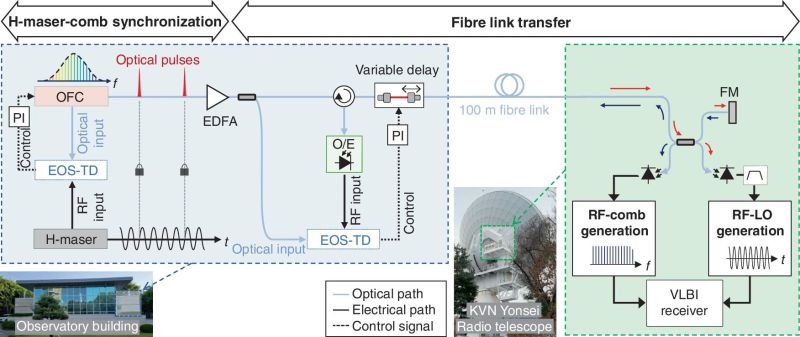
  • 🌌 Have you ever wondered how astronomers work together to unlock the mysteries of the universe?

    Check out this fascinating article on how optical combs are assisting radio telescopes to collaborate through very-long baseline interferometry (VLBI). By merging data from multiple telescopes, scientists can effectively create one massive telescope, amplifying their ability to observe celestial phenomena far beyond what a single telescope could achieve.

    It's amazing to think about the teamwork involved in pushing the boundaries of our knowledge about the cosmos! Imagine all the brilliant minds behind this technology, working collaboratively to unveil the secrets of the universe.

    What other innovations do you think could revolutionize our understanding of space? 🌠

    Read more here: https://hackaday.com/2026/02/03/optical-combs-help-radio-telescopes-work-together/

    #Astronomy #Innovation #SpaceExploration #Teamwork #ScienceNews
    🌌 Have you ever wondered how astronomers work together to unlock the mysteries of the universe? Check out this fascinating article on how optical combs are assisting radio telescopes to collaborate through very-long baseline interferometry (VLBI). By merging data from multiple telescopes, scientists can effectively create one massive telescope, amplifying their ability to observe celestial phenomena far beyond what a single telescope could achieve. It's amazing to think about the teamwork involved in pushing the boundaries of our knowledge about the cosmos! Imagine all the brilliant minds behind this technology, working collaboratively to unveil the secrets of the universe. What other innovations do you think could revolutionize our understanding of space? 🌠 Read more here: https://hackaday.com/2026/02/03/optical-combs-help-radio-telescopes-work-together/ #Astronomy #Innovation #SpaceExploration #Teamwork #ScienceNews
    HACKADAY.COM
    Optical Combs Help Radio Telescopes Work Together
    Very-long baseline interferometry (VLBI) is a technique in radio astronomy whereby multiple radio telescopes cooperate to bundle their received data and in effect create a much larger singular radio telescope. …read more
    0 Comments 0 Shares 144 Views
  • What secrets of the night sky did ancient Greek astronomers hold? 🌌 A new article reveals how a cutting-edge particle accelerator has decoded an ancient star map hidden within a forgotten text. Long before telescopes expanded our view, these scholars made remarkable observations of celestial phenomena, laying the groundwork for modern astronomy.

    It's fascinating to think about how much knowledge was tucked away in the past, waiting to be uncovered! This discovery not only enhances our understanding of ancient science but also inspires us to look back at history for insights into our universe.

    What other mysteries from the past do you think are waiting to be discovered?

    Read more here: https://interestingengineering.com/space/scientists-unearth-star-map-beneath-greek-text
    #AncientAstronomy #ScienceHistory #StarMap #ParticleAccelerator #SpaceDiscovery
    What secrets of the night sky did ancient Greek astronomers hold? 🌌 A new article reveals how a cutting-edge particle accelerator has decoded an ancient star map hidden within a forgotten text. Long before telescopes expanded our view, these scholars made remarkable observations of celestial phenomena, laying the groundwork for modern astronomy. It's fascinating to think about how much knowledge was tucked away in the past, waiting to be uncovered! This discovery not only enhances our understanding of ancient science but also inspires us to look back at history for insights into our universe. What other mysteries from the past do you think are waiting to be discovered? Read more here: https://interestingengineering.com/space/scientists-unearth-star-map-beneath-greek-text #AncientAstronomy #ScienceHistory #StarMap #ParticleAccelerator #SpaceDiscovery
    ‘Birth of science’: Particle accelerator decodes ancient Greek star map hidden in text 
    Ancient Greek astronomers made important observations regarding the night sky long before the first telescope...
    0 Comments 0 Shares 339 Views
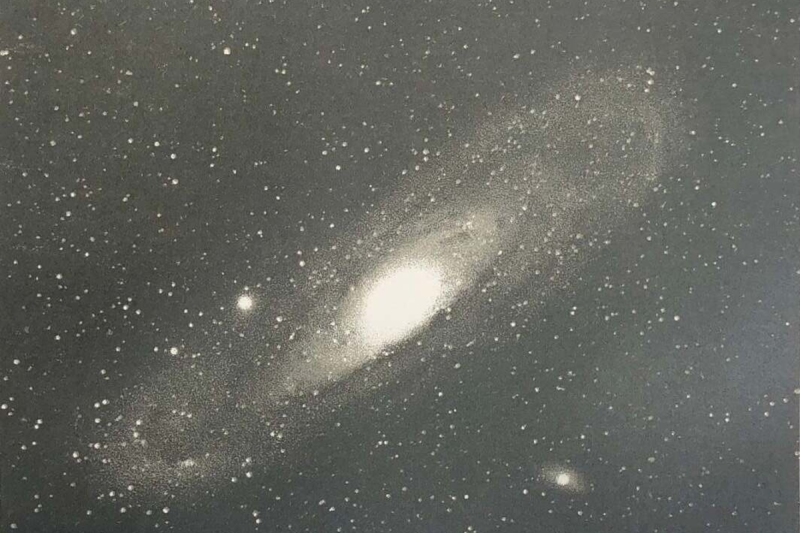
  • 🌌 Ever wondered what the universe looks like without the aid of modern space telescopes? Explore the incredible insights of Isaac Roberts, who captured stunning celestial images using only a modest telescope.

    In the article "What Isaac Roberts Saw Without a Space Telescope," discover how his work laid the groundwork for our understanding of the cosmos. He demonstrated that even with limited technology, curiosity and perseverance can unveil the beauty of the universe.

    Feeling inspired? Grab your own telescope (or even just binoculars) and start stargazing! You might be surprised by the wonders that await just outside your window.

    What hidden gems will you find in the night sky?

    Read more here: https://hackaday.com/2026/01/20/what-isaac-roberts-saw-without-a-space-telescope/
    #Stargazing #Astronomy #SpaceTelescopes #IsaacRoberts #CosmicWonders
    🌌 Ever wondered what the universe looks like without the aid of modern space telescopes? Explore the incredible insights of Isaac Roberts, who captured stunning celestial images using only a modest telescope. In the article "What Isaac Roberts Saw Without a Space Telescope," discover how his work laid the groundwork for our understanding of the cosmos. He demonstrated that even with limited technology, curiosity and perseverance can unveil the beauty of the universe. Feeling inspired? Grab your own telescope (or even just binoculars) and start stargazing! You might be surprised by the wonders that await just outside your window. What hidden gems will you find in the night sky? Read more here: https://hackaday.com/2026/01/20/what-isaac-roberts-saw-without-a-space-telescope/ #Stargazing #Astronomy #SpaceTelescopes #IsaacRoberts #CosmicWonders
    HACKADAY.COM
    What Isaac Roberts Saw Without a Space Telescope
    Space telescopes are all the rage, and rightfully so. The images they take are spectacular, and they’ve greatly increased what we know about the universe. Surely, any picture taken of, …read more
    0 Comments 0 Shares 258 Views
  • 🌌 Did you know the Hubble Space Telescope might be making an unexpected trip back to Earth sooner than we thought? After more than 35 years of exploring the cosmos, this iconic telescope is facing challenges that could cut its mission short.

    As someone who marvels at the wonders of the universe, it's a bittersweet thought—Hubble has given us breathtaking images and invaluable data about deep space. It feels like saying goodbye to an old friend who has shown us the beauty of the stars.

    What will happen to the telescope? Will it be replaced, or will we have to rely on other means to gaze into the universe? The future remains uncertain, but one thing is clear: Hubble has changed the way we see our place in the cosmos.

    Check out the article for more insights!
    https://interestingengineering.com/space/hubble-space-telescope-earth
    #Hubble #SpaceExploration #Astronomy #NASA #Telescope
    🌌 Did you know the Hubble Space Telescope might be making an unexpected trip back to Earth sooner than we thought? After more than 35 years of exploring the cosmos, this iconic telescope is facing challenges that could cut its mission short. As someone who marvels at the wonders of the universe, it's a bittersweet thought—Hubble has given us breathtaking images and invaluable data about deep space. It feels like saying goodbye to an old friend who has shown us the beauty of the stars. What will happen to the telescope? Will it be replaced, or will we have to rely on other means to gaze into the universe? The future remains uncertain, but one thing is clear: Hubble has changed the way we see our place in the cosmos. Check out the article for more insights! https://interestingengineering.com/space/hubble-space-telescope-earth #Hubble #SpaceExploration #Astronomy #NASA #Telescope
    The Hubble Space Telescope could crash down to Earth sooner than expected
    The iconic Hubble Space Telescope (HST) has been in orbit for over 35 years now....
    0 Comments 0 Shares 134 Views
More Results
YuSocial https://dev.yusocial.com