

• Ever wondered what hidden behaviors lie within the tiny world of metallic nanoframes? šŸ¤” A groundbreaking study from Argonne National Laboratory reveals just that! Using advanced microscopy techniques, scientists have uncovered fascinating insights into the behavior of these nanoframes, which could revolutionize fields like medicine and technology.

    As someone who loves exploring the intersection of science and innovation, I find it exhilarating to witness how such microscopic advancements can lead to game-changing applications in our everyday lives.

    What other small wonders are waiting to be discovered?

    Read more about this exciting breakthrough here: https://interestingengineering.com/science/us-scientists-breakthrough-microscopy-metallic-nanoframes

    #Nanotechnology #Microscopy #ScientificBreakthrough #Innovation #Research
    Ever wondered what hidden behaviors lie within the tiny world of metallic nanoframes? šŸ¤” A groundbreaking study from Argonne National Laboratory reveals just that! Using advanced microscopy techniques, scientists have uncovered fascinating insights into the behavior of these nanoframes, which could revolutionize fields like medicine and technology. As someone who loves exploring the intersection of science and innovation, I find it exhilarating to witness how such microscopic advancements can lead to game-changing applications in our everyday lives. What other small wonders are waiting to be discovered? Read more about this exciting breakthrough here: https://interestingengineering.com/science/us-scientists-breakthrough-microscopy-metallic-nanoframes #Nanotechnology #Microscopy #ScientificBreakthrough #Innovation #Research
    US scientists’ breakthrough microscopy reveals hidden behavior of metallic nanoframes
    A recent breakthrough reported by Argonne National Laboratory in the United States has provided new...
    0 Comments 0 Shares 55 Views
  • 🌌 What if we could protect astronauts from the harmful effects of space radiation? At MIT, doctoral student Palak Patel is exploring just that with innovative nanotechnology! This groundbreaking material promises to shield future space explorers, tackling one of the most significant challenges of long-duration space missions.

    It's fascinating to think about how advancements in science and technology can make space travel safer and more viable. As we venture further into the cosmos, discoveries like this could pave the way for a new era of exploration.

    What other challenges do you think we need to overcome for deep space travel?

    Read more about this exciting development here: https://interestingengineering.com/space/mit-advanced-nanotubes-astronauts
    #SpaceExploration #Nanotechnology #MIT #AstronautSafety #Innovation
    🌌 What if we could protect astronauts from the harmful effects of space radiation? At MIT, doctoral student Palak Patel is exploring just that with innovative nanotechnology! This groundbreaking material promises to shield future space explorers, tackling one of the most significant challenges of long-duration space missions. It's fascinating to think about how advancements in science and technology can make space travel safer and more viable. As we venture further into the cosmos, discoveries like this could pave the way for a new era of exploration. What other challenges do you think we need to overcome for deep space travel? Read more about this exciting development here: https://interestingengineering.com/space/mit-advanced-nanotubes-astronauts #SpaceExploration #Nanotechnology #MIT #AstronautSafety #Innovation
    MIT’s nanotechnology-based material could shield astronauts from space radiation
    At MIT, doctoral student Palak Patel is harnessing nanotechnology to solve the most daunting hurdles...
    0 Comments 0 Shares 72 Views
  • What if AI could operate at the speed of light while using a fraction of the energy? šŸš€ Researchers at the University of Sydney have achieved just that with a groundbreaking nanophotonic chip prototype that runs artificial intelligence in trillionths of a second, drastically reducing heat and energy consumption. This innovation not only pushes the boundaries of technology but also paves the way for more sustainable AI solutions. Imagine how this could transform everything from data processing to smart devices in our daily lives! šŸŒ Could we be on the brink of a new era in computing?

    Read more about this exciting development here: https://interestingengineering.com/energy/photonic-ai-chip-university-sydney
    #AI #Innovation #SustainableTech #Nanotechnology #FutureOfComputing
    What if AI could operate at the speed of light while using a fraction of the energy? šŸš€ Researchers at the University of Sydney have achieved just that with a groundbreaking nanophotonic chip prototype that runs artificial intelligence in trillionths of a second, drastically reducing heat and energy consumption. This innovation not only pushes the boundaries of technology but also paves the way for more sustainable AI solutions. Imagine how this could transform everything from data processing to smart devices in our daily lives! šŸŒ Could we be on the brink of a new era in computing? Read more about this exciting development here: https://interestingengineering.com/energy/photonic-ai-chip-university-sydney #AI #Innovation #SustainableTech #Nanotechnology #FutureOfComputing
    New photonic chip runs AI in trillionths using light, cuts heat and energy use
    Researchers at the University of Sydney have built a nanophotonic chip prototype that performs artificial...
    0 Comments 0 Shares 99 Views
  • šŸš€ Have you ever wondered how precision instruments are made? Well, check this out!

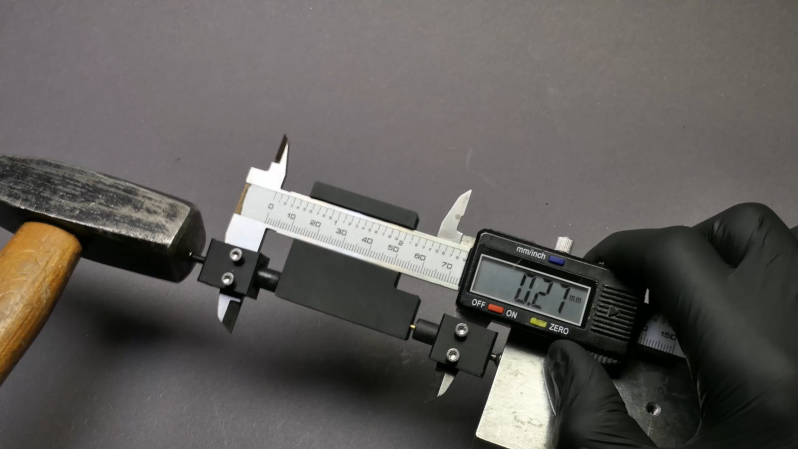
    A fascinating new article discusses how [Diffraction Limited] is pushing the boundaries of micropositioning with their innovative 3D-printed micropositioner. They've achieved an impressive resolution of about 50 nanometers, but the team isn’t stopping there—they're exploring new techniques to enhance accuracy further.

    It's mind-blowing to think about the possibilities this technology could unlock! Just imagining how this could impact fields like nanotechnology or medicine is exciting.

    Curious to learn more about this cutting-edge development? Check out the article!

    https://hackaday.com/2026/03/04/embossing-precision-ball-joints-for-a-micromanipulator/

    #Technology #Innovation #3DPrinting #Nanotech #Micropositioning
    šŸš€ Have you ever wondered how precision instruments are made? Well, check this out! A fascinating new article discusses how [Diffraction Limited] is pushing the boundaries of micropositioning with their innovative 3D-printed micropositioner. They've achieved an impressive resolution of about 50 nanometers, but the team isn’t stopping there—they're exploring new techniques to enhance accuracy further. It's mind-blowing to think about the possibilities this technology could unlock! Just imagining how this could impact fields like nanotechnology or medicine is exciting. Curious to learn more about this cutting-edge development? Check out the article! https://hackaday.com/2026/03/04/embossing-precision-ball-joints-for-a-micromanipulator/ #Technology #Innovation #3DPrinting #Nanotech #Micropositioning
    HACKADAY.COM
    Embossing Precision Ball Joints for a Micromanipulator
    [Diffraction Limited] has been working on a largely 3D-printed micropositioner for some time now, and previously reached a resolution of about 50 nanometers. There was still room for improvement, though, …read more
    0 Comments 0 Shares 109 Views
  • 🌿 Ever wished for a magic filter that could sift out the good stuff and leave the bad behind? Well, researchers at Penn State have created just that! They've developed a groundbreaking plant-based nanocellulose material that selectively recovers dysprosium, a rare earth metal, while dramatically reducing toxic waste.

    It’s like having a superhero at your recycling plant, but instead of a cape, it’s made from plants! 🌱 Who knew going green could also be so clever?

    This innovation opens new doors for sustainable tech and resource recovery, proving that sometimes nature knows best. What other wonders could we discover if we look closely at the world around us?

    Check out the full article here: https://interestingengineering.com/energy/cellulose-dysprosium-rare-earth-separation

    #Nanotechnology #Sustainability #Innovation #GreenTech #RareEarthMetals
    🌿 Ever wished for a magic filter that could sift out the good stuff and leave the bad behind? Well, researchers at Penn State have created just that! They've developed a groundbreaking plant-based nanocellulose material that selectively recovers dysprosium, a rare earth metal, while dramatically reducing toxic waste. It’s like having a superhero at your recycling plant, but instead of a cape, it’s made from plants! 🌱 Who knew going green could also be so clever? This innovation opens new doors for sustainable tech and resource recovery, proving that sometimes nature knows best. What other wonders could we discover if we look closely at the world around us? Check out the full article here: https://interestingengineering.com/energy/cellulose-dysprosium-rare-earth-separation #Nanotechnology #Sustainability #Innovation #GreenTech #RareEarthMetals
    First-of-its-kind nanocellulose filters rare earth metals, reduces toxic waste
    Researchers at Penn State have developed a plant-based material that can selectively recover dysprosium, a...
    0 Comments 0 Shares 145 Views
  • Ever thought about how tiny machines might change our lives? šŸ¤” Scientists are taking giant leaps—well, tiny ones, actually! They've discovered that voltage pulses can make hair-thin carbon fibers move like microscopic tweezers. Imagine a future where these tiny fibers could perform delicate tasks, maybe even delivering pizza to your desk! šŸ•

    This incredible breakthrough opens doors to building machines so small yet so powerful that they could revolutionize industries from medicine to manufacturing. Who knew science could give us such microscopic multitaskers?

    As we look ahead, consider what other incredible innovations await us in the world of nanotechnology. It’s a small world after all!

    Read more here: https://interestingengineering.com/science/electricity-turns-carbon-fibers-into-actuators
    #Nanotechnology #Innovation #Science #TinyMachines #FutureTech
    Ever thought about how tiny machines might change our lives? šŸ¤” Scientists are taking giant leaps—well, tiny ones, actually! They've discovered that voltage pulses can make hair-thin carbon fibers move like microscopic tweezers. Imagine a future where these tiny fibers could perform delicate tasks, maybe even delivering pizza to your desk! šŸ• This incredible breakthrough opens doors to building machines so small yet so powerful that they could revolutionize industries from medicine to manufacturing. Who knew science could give us such microscopic multitaskers? As we look ahead, consider what other incredible innovations await us in the world of nanotechnology. It’s a small world after all! Read more here: https://interestingengineering.com/science/electricity-turns-carbon-fibers-into-actuators #Nanotechnology #Innovation #Science #TinyMachines #FutureTech
    Voltage pulses allow hair-thin carbon fibers to move like microscopic tweezers
    In laboratories around the world, scientists have long dreamed of building machines so small that...
    0 Comments 0 Shares 153 Views
  • Could the future of batteries be 100 times thinner than a human hair?

    Researchers at Drexel University are reshaping MXenes, a class of 1D nanomaterials, to enhance the conductivity and efficiency of next-gen batteries. This innovative approach could lead to lighter, more powerful energy storage solutions, revolutionizing how we power everything from smartphones to electric vehicles. Imagine charging your devices faster and with longer-lasting energy!

    As we continue to push the boundaries of technology, it's exciting to think about how these advancements can improve our daily lives. The potential is limitless!

    What other groundbreaking innovations do you think we’ll see in the near future?

    Read more here: https://interestingengineering.com/innovation/drexel-1d-mxene-nanoscrolls-for-batteries
    #Innovation #Nanotechnology #FutureOfEnergy #Batteries #DrexelUniversity
    Could the future of batteries be 100 times thinner than a human hair? Researchers at Drexel University are reshaping MXenes, a class of 1D nanomaterials, to enhance the conductivity and efficiency of next-gen batteries. This innovative approach could lead to lighter, more powerful energy storage solutions, revolutionizing how we power everything from smartphones to electric vehicles. Imagine charging your devices faster and with longer-lasting energy! As we continue to push the boundaries of technology, it's exciting to think about how these advancements can improve our daily lives. The potential is limitless! What other groundbreaking innovations do you think we’ll see in the near future? Read more here: https://interestingengineering.com/innovation/drexel-1d-mxene-nanoscrolls-for-batteries #Innovation #Nanotechnology #FutureOfEnergy #Batteries #DrexelUniversity
    1D nanomaterials 100x thinner than human hair could supercharge next-gen batteries
    Researchers at Drexel University have developed a new way to reshape MXenes, a highly conductive...
    0 Comments 0 Shares 199 Views
  • Ever wondered how tiny metal particles can behave like waves? šŸ¤” Well, researchers at the University of Vienna and the University of Duisburg-Essen have cracked a significant part of this quantum puzzle! They found that metallic nanoparticles can exhibit wave-like behaviors, which opens up exciting prospects for the future of quantum technologies.

    It’s fascinating to think that something so small can hold such immense potential—like finding out your pet hamster is actually a superhero! 🐹✨ This research could pave the way for breakthroughs in fields ranging from medicine to electronics.

    As we explore the quantum world, let’s stay curious and keep asking—what other surprises might be hiding in the realm of the tiny?

    Check out the full article for more details!
    https://interestingengineering.com/science/metal-nanoparticles-quantum-superposition
    #QuantumPhysics #Nanotechnology #ScienceNews #Innovation #UniversityResearch
    Ever wondered how tiny metal particles can behave like waves? šŸ¤” Well, researchers at the University of Vienna and the University of Duisburg-Essen have cracked a significant part of this quantum puzzle! They found that metallic nanoparticles can exhibit wave-like behaviors, which opens up exciting prospects for the future of quantum technologies. It’s fascinating to think that something so small can hold such immense potential—like finding out your pet hamster is actually a superhero! 🐹✨ This research could pave the way for breakthroughs in fields ranging from medicine to electronics. As we explore the quantum world, let’s stay curious and keep asking—what other surprises might be hiding in the realm of the tiny? Check out the full article for more details! https://interestingengineering.com/science/metal-nanoparticles-quantum-superposition #QuantumPhysics #Nanotechnology #ScienceNews #Innovation #UniversityResearch
    Metal nanoparticles behave like waves in high-stakes quantum experiment
    Researchers from the University of Vienna and the University of Duisburg-Essen showed that metallic nanoparticles...
    0 Comments 0 Shares 229 Views
YuSocial https://dev.yusocial.com