• Ever wondered how effective journaling can transform your accounting, investing, and trading practices? 📈 The article "Understanding Journals: Accounting, Investing, and Trading Explained" delves deep into the importance of maintaining a journal to track financial decisions and outcomes. This practice not only enhances accountability but also helps you learn from your successes and mistakes over time.

    I've personally found that keeping a detailed record of my trades has drastically improved my strategy and confidence in the market. It's incredible how a simple habit can lead to profound financial insights!

    Start your journaling journey today and witness the difference it can make in your financial literacy and success.

    Explore more here: https://www.investopedia.com/terms/j/journal.asp
    #Journaling #FinancialLiteracy #InvestmentStrategy #TradingTips #Accountability
    Ever wondered how effective journaling can transform your accounting, investing, and trading practices? 📈 The article "Understanding Journals: Accounting, Investing, and Trading Explained" delves deep into the importance of maintaining a journal to track financial decisions and outcomes. This practice not only enhances accountability but also helps you learn from your successes and mistakes over time. I've personally found that keeping a detailed record of my trades has drastically improved my strategy and confidence in the market. It's incredible how a simple habit can lead to profound financial insights! Start your journaling journey today and witness the difference it can make in your financial literacy and success. Explore more here: https://www.investopedia.com/terms/j/journal.asp #Journaling #FinancialLiteracy #InvestmentStrategy #TradingTips #Accountability
    0 Comments 0 Shares 18 Views
  • 📝 Did you know that National Handwriting Day is a thing? It's the perfect excuse to dive into the world of notebooks and journals! In a recent article, they tested and reviewed some of the best paper notebooks for 2026, featuring brands like Leuchttherm, Midori, and Field Notes.

    There's something special about putting pen to paper, whether it's jotting down thoughts, sketching, or planning your day. I personally love the feeling of a fresh notebook, ready to capture my ideas!

    So, why not celebrate by treating yourself to a new journal? Who knows what amazing thoughts you’ll unleash!

    Read more about these stellar finds here:
    https://www.wired.com/gallery/the-best-paper-notebook-and-journals/

    #NationalHandwritingDay #Journaling #Notebooks #FieldNotes #Midori
    📝 Did you know that National Handwriting Day is a thing? It's the perfect excuse to dive into the world of notebooks and journals! In a recent article, they tested and reviewed some of the best paper notebooks for 2026, featuring brands like Leuchttherm, Midori, and Field Notes. There's something special about putting pen to paper, whether it's jotting down thoughts, sketching, or planning your day. I personally love the feeling of a fresh notebook, ready to capture my ideas! So, why not celebrate by treating yourself to a new journal? Who knows what amazing thoughts you’ll unleash! Read more about these stellar finds here: https://www.wired.com/gallery/the-best-paper-notebook-and-journals/ #NationalHandwritingDay #Journaling #Notebooks #FieldNotes #Midori
    The Best Paper Notebooks and Journals, Tested and Reviewed (2026): Leuchttherm, Midori, Field Notes
    Celebrate National Handwriting Day (I did not make that up) with new notebooks, a journal, or sketchbooks.
    0 Comments 0 Shares 239 Views
  • Unlock the power of reflection by keeping a digital diary! 📝✨ In a recent article, a seasoned journaler shares insights from a decade of experience, revealing how journaling can transform your thoughts, goals, and overall mindset. The best part? Their only regret was not starting sooner!

    As someone who has benefited immensely from journaling, I can attest to its ability to clear your mind and track personal growth. Imagine looking back at your entries in a few years and seeing how far you've come!

    Ready to start your journey? Begin today and make your future self proud!

    Read more here: https://www.wired.com/story/tips-for-keeping-a-digital-diary/
    #DigitalDiary #Journaling #SelfGrowth #ReflectAndWrite #Motivation
    Unlock the power of reflection by keeping a digital diary! 📝✨ In a recent article, a seasoned journaler shares insights from a decade of experience, revealing how journaling can transform your thoughts, goals, and overall mindset. The best part? Their only regret was not starting sooner! As someone who has benefited immensely from journaling, I can attest to its ability to clear your mind and track personal growth. Imagine looking back at your entries in a few years and seeing how far you've come! Ready to start your journey? Begin today and make your future self proud! Read more here: https://www.wired.com/story/tips-for-keeping-a-digital-diary/ #DigitalDiary #Journaling #SelfGrowth #ReflectAndWrite #Motivation
    Tips for Keeping a Digital Diary and Why You Should
    After 10 years of journaling, my only regret is not starting sooner.
    0 Comments 0 Shares 217 Views
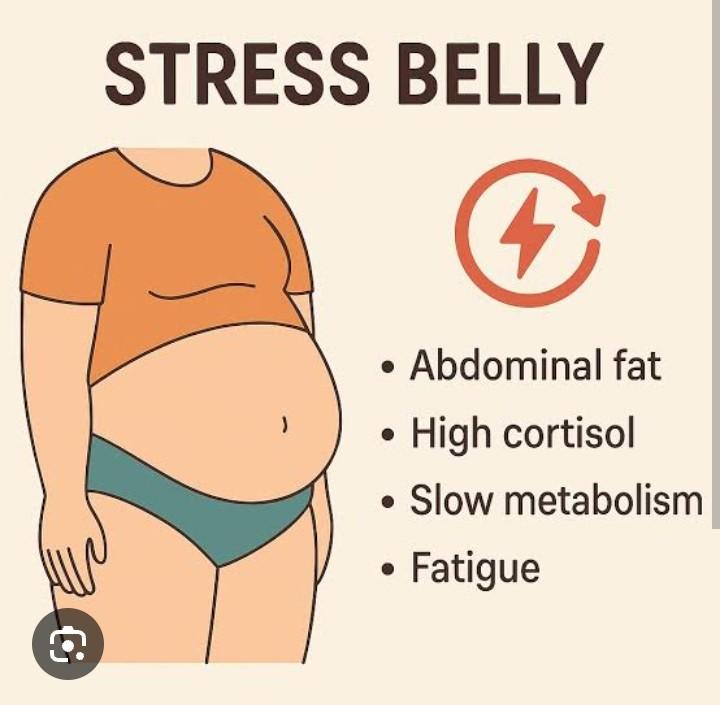
  • Stress, Hormones & Belly Fat The Female Connection

    Ever wondered why belly fat seems to “suddenly show up” and refuses to leave even when you’re eating right and moving your body?
    For many women, the answer isn’t just calories… it’s hormones and stress.

    How Stress Changes a Woman’s Body

    When you’re stressed whether from work, family, relationships, finances, or even silent emotional pressure your body produces a hormone called cortisol.

    In small doses, cortisol helps you handle challenges. But when stress becomes constant, cortisol stays high. And here’s the tricky part:

    > High cortisol tells your body to store fat especially around your belly.


    Hormones That Play a Big Role

    Women’s bodies are constantly navigating hormonal shifts from puberty to pregnancy to perimenopause and menopause. The key players include:

    Cortisol ;stress hormone → increases belly fat

    Estrogen; when it drops, the body stores more fat in the abdomen

    Insulin; affected by sugar intake and stress, leads to fat storage

    Leptin; hunger hormone, disrupted by poor sleep and stress


    So no, you’re not “lazy.”
    Your body may simply be responding to stress and hormonal changes.

    Common Signs Stress & Hormones Are Affecting Your Belly

    You may notice:

    1. Weight gain mainly around the stomach

    2. Cravings for sugary or salty snacks

    3. Tiredness even after sleeping

    4. Mood changes or anxiety

    5. Bloating and sluggish digestion


    These are real signals not excuses.

    How to Fight Stress-Related Belly Fat

    You don’t need extreme dieting. Focus on balance:

    ✅ Prioritize 7-8 hours of sleep
    ✅ Eat protein, fiber, and healthy fats (keeps hormones steady)
    ✅ Reduce caffeine & sugary snacks
    ✅ Practice breathing exercises or journaling
    ✅ Move your body daily, walking counts
    ✅ Avoid starvation diets ,they increase cortisol

    Bottom Line

    Belly fat in women is not just about food or exercise, it’s deeply connected to stress and hormones.
    Understanding this helps you approach your body with patience and respect, not frustration.

    Your body is not fighting you , it’s protecting you.
    Support it gently…and it will respond
    Stress, Hormones & Belly Fat The Female Connection Ever wondered why belly fat seems to “suddenly show up” and refuses to leave even when you’re eating right and moving your body? For many women, the answer isn’t just calories… it’s hormones and stress. How Stress Changes a Woman’s Body When you’re stressed whether from work, family, relationships, finances, or even silent emotional pressure your body produces a hormone called cortisol. In small doses, cortisol helps you handle challenges. But when stress becomes constant, cortisol stays high. And here’s the tricky part: > High cortisol tells your body to store fat especially around your belly. Hormones That Play a Big Role Women’s bodies are constantly navigating hormonal shifts from puberty to pregnancy to perimenopause and menopause. The key players include: Cortisol ;stress hormone → increases belly fat Estrogen; when it drops, the body stores more fat in the abdomen Insulin; affected by sugar intake and stress, leads to fat storage Leptin; hunger hormone, disrupted by poor sleep and stress So no, you’re not “lazy.” Your body may simply be responding to stress and hormonal changes. Common Signs Stress & Hormones Are Affecting Your Belly You may notice: 1. Weight gain mainly around the stomach 2. Cravings for sugary or salty snacks 3. Tiredness even after sleeping 4. Mood changes or anxiety 5. Bloating and sluggish digestion These are real signals not excuses. How to Fight Stress-Related Belly Fat You don’t need extreme dieting. Focus on balance: ✅ Prioritize 7-8 hours of sleep ✅ Eat protein, fiber, and healthy fats (keeps hormones steady) ✅ Reduce caffeine & sugary snacks ✅ Practice breathing exercises or journaling ✅ Move your body daily, walking counts ✅ Avoid starvation diets ,they increase cortisol Bottom Line Belly fat in women is not just about food or exercise, it’s deeply connected to stress and hormones. Understanding this helps you approach your body with patience and respect, not frustration. Your body is not fighting you , it’s protecting you. Support it gently…and it will respond
    0 Comments 0 Shares 1K Views
  • Why You’re Always Tired (and How to Fix It)

    Ever wake up feeling exhausted even after a full night's sleep? Or do you find yourself constantly drained by midday? You’re not alone. Fatigue is one of the most common health complaints, but the good news is that it’s often caused by simple lifestyle habits that you can change.

    Here are some possible reasons why you’re always tired—and what you can do about it.

    1. You’re Not Getting Quality Sleep

    It’s not just about how long you sleep but how well you sleep. If you wake up multiple times at night or struggle to fall asleep, you might not be getting deep, restorative rest.

    Fix it:
    ✔️ Stick to a regular sleep schedule (even on weekends).
    ✔️ Reduce screen time before bed—blue light messes with your sleep hormones.
    ✔️ Avoid caffeine late in the day.

    2. You’re Dehydrated

    Many people don’t drink enough water, and dehydration can lead to fatigue, headaches, and brain fog. Even mild dehydration can slow down circulation and oxygen delivery to your muscles and brain, making you feel sluggish.

    Fix it:
    ✔️ Start your day with a glass of water.
    ✔️ Carry a water bottle and sip throughout the day.
    ✔️ Eat water-rich foods like cucumbers, watermelon, and oranges.

    3. You’re Not Eating the Right Foods

    Your diet plays a huge role in your energy levels. If you’re eating too much sugar or relying on processed foods, your blood sugar levels will spike and crash, leaving you tired.

    Fix it:
    ✔️ Eat balanced meals with protein, healthy fats, and fiber.
    ✔️ Reduce sugary snacks and opt for whole foods instead.
    ✔️ Don’t skip meals—fuel your body consistently.

    4. You’re Not Moving Enough

    It sounds strange, but being inactive can actually make you feel more tired. When you don’t move much, your blood circulation slows down, and your muscles become stiff, leading to sluggishness.

    Fix it:
    ✔️ Take short walks throughout the day.
    ✔️ Stretch in the morning and before bed.
    ✔️ Do a quick workout, even if it’s just 10 minutes.

    5. You’re Stressed Out

    Mental stress drains your energy just as much as physical exertion. Constant worrying or overthinking can leave you feeling exhausted, even if you’re not doing much physically.

    Fix it:
    ✔️ Practice deep breathing or meditation.
    ✔️ Take breaks and step away from stressful situations.
    ✔️ Write down your thoughts—journaling can help clear your mind.

    6. You Might Have an Underlying Health Issue

    If you’re constantly tired despite getting good sleep and eating well, it might be worth checking with a doctor. Conditions like anemia, thyroid problems, or sleep disorders could be affecting your energy levels.

    Fix it:
    ✔️ Listen to your body—if something feels off, don’t ignore it.
    ✔️ Get a medical check-up if your fatigue persists.
    ✔️ Prioritize your health—your energy is worth it!

    Final Thoughts

    Feeling tired all the time isn’t normal, and you don’t have to accept it as part of life. Small changes in your daily routine can make a huge difference in your energy levels. Try these tips and see how much better you feel!

    What’s the biggest energy-drainer in your life? Let me know in the comments!
    #Health
    Why You’re Always Tired (and How to Fix It) Ever wake up feeling exhausted even after a full night's sleep? Or do you find yourself constantly drained by midday? You’re not alone. Fatigue is one of the most common health complaints, but the good news is that it’s often caused by simple lifestyle habits that you can change. Here are some possible reasons why you’re always tired—and what you can do about it. 1. You’re Not Getting Quality Sleep It’s not just about how long you sleep but how well you sleep. If you wake up multiple times at night or struggle to fall asleep, you might not be getting deep, restorative rest. Fix it: ✔️ Stick to a regular sleep schedule (even on weekends). ✔️ Reduce screen time before bed—blue light messes with your sleep hormones. ✔️ Avoid caffeine late in the day. 2. You’re Dehydrated Many people don’t drink enough water, and dehydration can lead to fatigue, headaches, and brain fog. Even mild dehydration can slow down circulation and oxygen delivery to your muscles and brain, making you feel sluggish. Fix it: ✔️ Start your day with a glass of water. ✔️ Carry a water bottle and sip throughout the day. ✔️ Eat water-rich foods like cucumbers, watermelon, and oranges. 3. You’re Not Eating the Right Foods Your diet plays a huge role in your energy levels. If you’re eating too much sugar or relying on processed foods, your blood sugar levels will spike and crash, leaving you tired. Fix it: ✔️ Eat balanced meals with protein, healthy fats, and fiber. ✔️ Reduce sugary snacks and opt for whole foods instead. ✔️ Don’t skip meals—fuel your body consistently. 4. You’re Not Moving Enough It sounds strange, but being inactive can actually make you feel more tired. When you don’t move much, your blood circulation slows down, and your muscles become stiff, leading to sluggishness. Fix it: ✔️ Take short walks throughout the day. ✔️ Stretch in the morning and before bed. ✔️ Do a quick workout, even if it’s just 10 minutes. 5. You’re Stressed Out Mental stress drains your energy just as much as physical exertion. Constant worrying or overthinking can leave you feeling exhausted, even if you’re not doing much physically. Fix it: ✔️ Practice deep breathing or meditation. ✔️ Take breaks and step away from stressful situations. ✔️ Write down your thoughts—journaling can help clear your mind. 6. You Might Have an Underlying Health Issue If you’re constantly tired despite getting good sleep and eating well, it might be worth checking with a doctor. Conditions like anemia, thyroid problems, or sleep disorders could be affecting your energy levels. Fix it: ✔️ Listen to your body—if something feels off, don’t ignore it. ✔️ Get a medical check-up if your fatigue persists. ✔️ Prioritize your health—your energy is worth it! Final Thoughts Feeling tired all the time isn’t normal, and you don’t have to accept it as part of life. Small changes in your daily routine can make a huge difference in your energy levels. Try these tips and see how much better you feel! What’s the biggest energy-drainer in your life? Let me know in the comments! #Health
    Love
    Like
    5
    2 Comments 0 Shares 744 Views
YuSocial https://dev.yusocial.com