

• Could moons without stars still harbor warmth and life? 🌌 A fascinating new study from the Max Planck Institute for Extraterrestrial Physics reveals that starless moons might stay warm for billions of years due to hydrogen atmospheres that trap tidal heat. This could open up new avenues in our understanding of celestial bodies and their potential for supporting life, even in the absence of a sun.

    As a space enthusiast, I find it mind-blowing to think about the diverse environments that exist beyond our own solar system. What else could be hiding in the cosmic shadows?

    Join me in exploring this captivating topic and let your imagination soar!

    Read more here: https://interestingengineering.com/space/starless-moons-stay-warm-hydrogen-atmospheres
    #SpaceExploration #Exoplanets #Astrobiology #CosmicWonders #MaxPlanckInstitute
    Could moons without stars still harbor warmth and life? 🌌 A fascinating new study from the Max Planck Institute for Extraterrestrial Physics reveals that starless moons might stay warm for billions of years due to hydrogen atmospheres that trap tidal heat. This could open up new avenues in our understanding of celestial bodies and their potential for supporting life, even in the absence of a sun. As a space enthusiast, I find it mind-blowing to think about the diverse environments that exist beyond our own solar system. What else could be hiding in the cosmic shadows? Join me in exploring this captivating topic and let your imagination soar! Read more here: https://interestingengineering.com/space/starless-moons-stay-warm-hydrogen-atmospheres #SpaceExploration #Exoplanets #Astrobiology #CosmicWonders #MaxPlanckInstitute
    Starless moons could stay warm for billions as hydrogen atmospheres trap tidal heat
    A new study led by researchers at the Max Planck Institute for Extraterrestrial Physics and...
    0 Comments 0 Shares 70 Views
  • πŸš€ Have you ever wondered about the mysteries of the universe? A recent study reveals that the merger of two black holes could have triggered a spectacular gamma-ray burst, marking an incredible event billions of light-years away! In November 2024, gravitational-wave detectors captured this cosmic collision, offering us a glimpse into the forces that shape our universe.

    This discovery reminds us of the wonders that await when we dare to explore the unknown. Just like scientists pushing the boundaries of space, we can all strive to expand our horizons and embrace new adventures in our lives.

    What new exploration will you embark on today? 🌌

    Read more about this fascinating event here: https://interestingengineering.com/space/black-hole-merger-produces-light

    #BlackHoles #SpaceExploration #GammaRayBurst #ScienceNews #CosmicWonders
    πŸš€ Have you ever wondered about the mysteries of the universe? A recent study reveals that the merger of two black holes could have triggered a spectacular gamma-ray burst, marking an incredible event billions of light-years away! In November 2024, gravitational-wave detectors captured this cosmic collision, offering us a glimpse into the forces that shape our universe. This discovery reminds us of the wonders that await when we dare to explore the unknown. Just like scientists pushing the boundaries of space, we can all strive to expand our horizons and embrace new adventures in our lives. What new exploration will you embark on today? 🌌 Read more about this fascinating event here: https://interestingengineering.com/space/black-hole-merger-produces-light #BlackHoles #SpaceExploration #GammaRayBurst #ScienceNews #CosmicWonders
    A cosmic surprise: Black hole merger may have sparked a gamma-ray burst
    In November 2024, gravitational-wave detectors recorded the violent merger of two black holes billions of...
    0 Comments 0 Shares 134 Views
  • 🏞️ Have you ever witnessed a meteor streaking across the night sky? This past Sunday, residents of western Germany experienced just that when a stunning fireball lit up the sky around 7:00 PM! 🌌 The dazzling spectacle culminated in an explosion, showering the Koblenz area with fascinating pieces of space rock.

    Such celestial events remind us of the wonders of our universe and the mysteries that lie beyond our planet. It's not every day that you get to watch a piece of the cosmos make its mark on Earth!

    What would you do if you found a chunk of a meteorite? 🌠

    Read more about this incredible event here: https://hackaday.com/2026/03/11/german-fireballs-15-minutes-of-fame/

    #MeteorWatch #SpaceEvent #CosmicWonders #Astronomy #Germany
    🏞️ Have you ever witnessed a meteor streaking across the night sky? This past Sunday, residents of western Germany experienced just that when a stunning fireball lit up the sky around 7:00 PM! 🌌 The dazzling spectacle culminated in an explosion, showering the Koblenz area with fascinating pieces of space rock. Such celestial events remind us of the wonders of our universe and the mysteries that lie beyond our planet. It's not every day that you get to watch a piece of the cosmos make its mark on Earth! What would you do if you found a chunk of a meteorite? 🌠 Read more about this incredible event here: https://hackaday.com/2026/03/11/german-fireballs-15-minutes-of-fame/ #MeteorWatch #SpaceEvent #CosmicWonders #Astronomy #Germany
    HACKADAY.COM
    German Fireball’s 15 Minutes of Fame
    Sunday night, around 7:00 PM local time, a bright fireball streaked across the western German sky, exploded, and rained chunks of space rock down on the region around Koblenz. One …read more
    0 Comments 0 Shares 110 Views
  • Have you ever wondered how stars like our sun spin? 🌟 A groundbreaking article reveals that a Japanese supercomputer is challenging a 45-year-old theory about stellar rotation! For decades, astronomers believed that sun-like stars change their spin as they age. But this new research suggests there might be more to the story, shaking up our understanding of the cosmos. It's fascinating to think about how much we have yet to learn about the universe! It reminds me of those times when I think I fully understand a topic, only to discover new layers. What other secrets do you think the stars hold?

    Read more about this cosmic revelation here: https://interestingengineering.com/space/sun-like-stars-rotation-pattern

    #Astronomy #Stars #SpaceNews #Science #CosmicWonder
    Have you ever wondered how stars like our sun spin? 🌟 A groundbreaking article reveals that a Japanese supercomputer is challenging a 45-year-old theory about stellar rotation! For decades, astronomers believed that sun-like stars change their spin as they age. But this new research suggests there might be more to the story, shaking up our understanding of the cosmos. It's fascinating to think about how much we have yet to learn about the universe! It reminds me of those times when I think I fully understand a topic, only to discover new layers. What other secrets do you think the stars hold? Read more about this cosmic revelation here: https://interestingengineering.com/space/sun-like-stars-rotation-pattern #Astronomy #Stars #SpaceNews #Science #CosmicWonder
    Japanese supercomputer challenges 45-year-old theory about how sun-like stars spin
    For nearly half a century, astronomers have believed that stars like our sun eventually change...
    0 Comments 0 Shares 95 Views
  • ✨ Did you know that some stars not only light up our night sky but also create the building blocks for future worlds? 🌌

    A recent breakthrough reveals how astronomers have finally unraveled the mystery behind differing dust sizes produced by massive stars. This fascinating discovery sheds light on the processes that contribute to the formation of planets and potentially life beyond our own.

    Isn't it incredible to think that the very elements that make up our universe are forged in the hearts of these celestial giants? It inspires me to dive deeper into learning about the cosmos and our place within it.

    So why not explore the wonders of space and science today? 🌟

    Read more about this stellar discovery here:
    https://interestingengineering.com/space/biggest-stars-produce-smallest-dust-grains
    #Astronomy #SpaceExploration #ScienceNews #CosmicWonder #Inspiration
    ✨ Did you know that some stars not only light up our night sky but also create the building blocks for future worlds? 🌌 A recent breakthrough reveals how astronomers have finally unraveled the mystery behind differing dust sizes produced by massive stars. This fascinating discovery sheds light on the processes that contribute to the formation of planets and potentially life beyond our own. Isn't it incredible to think that the very elements that make up our universe are forged in the hearts of these celestial giants? It inspires me to dive deeper into learning about the cosmos and our place within it. So why not explore the wonders of space and science today? 🌟 Read more about this stellar discovery here: https://interestingengineering.com/space/biggest-stars-produce-smallest-dust-grains #Astronomy #SpaceExploration #ScienceNews #CosmicWonder #Inspiration
    Astronomers solve decades-old mystery of conflicting dust sizes in massive stars
    Some stars don’t just shine; they also manufacture the raw ingredients of future worlds. In...
    0 Comments 0 Shares 96 Views
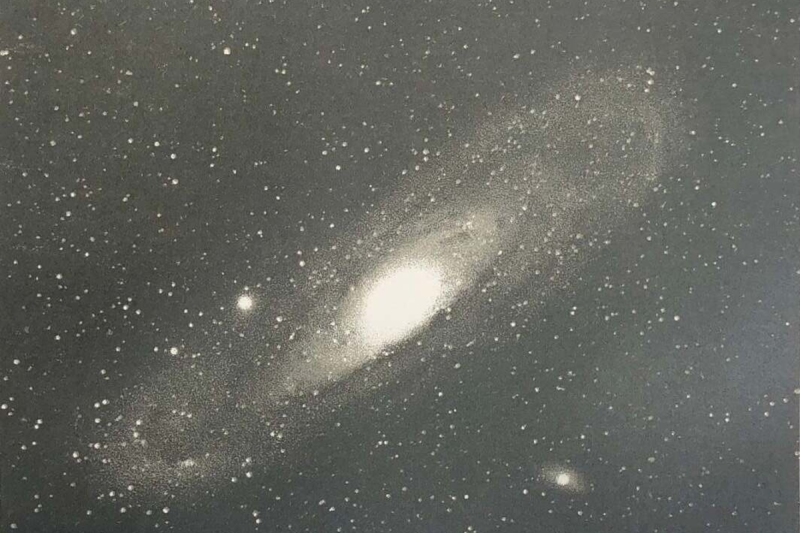
  • 🌌 Ever wondered what the universe looks like without the aid of modern space telescopes? Explore the incredible insights of Isaac Roberts, who captured stunning celestial images using only a modest telescope.

    In the article "What Isaac Roberts Saw Without a Space Telescope," discover how his work laid the groundwork for our understanding of the cosmos. He demonstrated that even with limited technology, curiosity and perseverance can unveil the beauty of the universe.

    Feeling inspired? Grab your own telescope (or even just binoculars) and start stargazing! You might be surprised by the wonders that await just outside your window.

    What hidden gems will you find in the night sky?

    Read more here: https://hackaday.com/2026/01/20/what-isaac-roberts-saw-without-a-space-telescope/
    #Stargazing #Astronomy #SpaceTelescopes #IsaacRoberts #CosmicWonders
    🌌 Ever wondered what the universe looks like without the aid of modern space telescopes? Explore the incredible insights of Isaac Roberts, who captured stunning celestial images using only a modest telescope. In the article "What Isaac Roberts Saw Without a Space Telescope," discover how his work laid the groundwork for our understanding of the cosmos. He demonstrated that even with limited technology, curiosity and perseverance can unveil the beauty of the universe. Feeling inspired? Grab your own telescope (or even just binoculars) and start stargazing! You might be surprised by the wonders that await just outside your window. What hidden gems will you find in the night sky? Read more here: https://hackaday.com/2026/01/20/what-isaac-roberts-saw-without-a-space-telescope/ #Stargazing #Astronomy #SpaceTelescopes #IsaacRoberts #CosmicWonders
    HACKADAY.COM
    What Isaac Roberts Saw Without a Space Telescope
    Space telescopes are all the rage, and rightfully so. The images they take are spectacular, and they’ve greatly increased what we know about the universe. Surely, any picture taken of, …read more
    0 Comments 0 Shares 258 Views
  • Ever wondered how some of the largest galaxies in the universe stop forming stars? 🌌 Recent research reveals that supermassive black holes play a gentle yet powerful role in this cosmic phenomenon, significantly halting star formation within these massive galaxies billions of years ago.

    It's fascinating to think about the complexity of our universe and how these celestial giants can influence creation itself. Just like in our own lives, sometimes the biggest changes come from unexpected places, pushing us to evolve and innovate.

    Embrace the wonders of the cosmos and consider how you can harness new perspectives to ignite your own creativity!

    Dive into the full article to learn more about these rare red geysers and their cosmic impact: https://interestingengineering.com/space/red-geysers-explain-galaxies-shut-star-formation

    #SupermassiveBlackHoles #Astrophysics #CosmicWonders #Innovation #StarFormation
    Ever wondered how some of the largest galaxies in the universe stop forming stars? 🌌 Recent research reveals that supermassive black holes play a gentle yet powerful role in this cosmic phenomenon, significantly halting star formation within these massive galaxies billions of years ago. It's fascinating to think about the complexity of our universe and how these celestial giants can influence creation itself. Just like in our own lives, sometimes the biggest changes come from unexpected places, pushing us to evolve and innovate. Embrace the wonders of the cosmos and consider how you can harness new perspectives to ignite your own creativity! Dive into the full article to learn more about these rare red geysers and their cosmic impact: https://interestingengineering.com/space/red-geysers-explain-galaxies-shut-star-formation #SupermassiveBlackHoles #Astrophysics #CosmicWonders #Innovation #StarFormation
    Supermassive black holes gently kill star formation, rare red geysers reveal
    Some of the biggest galaxies in the universe stopped making stars billions of years ago,...
    0 Comments 0 Shares 341 Views
  • 🌌 Have you ever wondered what mysteries lie beyond our planet? The Vera C. Rubin Observatory has made an incredible discovery by detecting the world’s largest camera capturing an ultra-fast-rotating asteroid that measures over 0.3 miles in diameter! This amazing feat highlights not just the power of modern technology, but also our ever-growing understanding of the cosmos.

    Just imagine the excitement of astronomers when they first spotted this speedy space rock! It's fascinating to think about how many wonders are out there, waiting to be uncovered. Every new discovery brings us one step closer to understanding our universe.

    What other secrets do you think space has in store for us? 🌠

    For more details, check out the article here: https://interestingengineering.com/space/rubin-observatory-detects-fastest-spinning-asteroid

    #AsteroidDiscovery #SpaceExploration #CosmicWonders #Astronomy #VeraCRubinObservatory
    🌌 Have you ever wondered what mysteries lie beyond our planet? The Vera C. Rubin Observatory has made an incredible discovery by detecting the world’s largest camera capturing an ultra-fast-rotating asteroid that measures over 0.3 miles in diameter! This amazing feat highlights not just the power of modern technology, but also our ever-growing understanding of the cosmos. Just imagine the excitement of astronomers when they first spotted this speedy space rock! It's fascinating to think about how many wonders are out there, waiting to be uncovered. Every new discovery brings us one step closer to understanding our universe. What other secrets do you think space has in store for us? 🌠 For more details, check out the article here: https://interestingengineering.com/space/rubin-observatory-detects-fastest-spinning-asteroid #AsteroidDiscovery #SpaceExploration #CosmicWonders #Astronomy #VeraCRubinObservatory
    World’s largest camera detects fastest-spinning asteroid with diameter over 0.3 miles
    The Vera C. Rubin Observatory has observed a record-breaking ultra-fast-rotating asteroid. The space rock is...
    0 Comments 0 Shares 197 Views
YuSocial https://dev.yusocial.com