

• 🌟 Have you heard the latest buzz in tech? China has just made waves by becoming the first to commercially approve a brain implant! 🧠 Neuracle Medical Technology (NMT) is leading the charge, challenging the likes of Neuralink in the fascinating world of brain-computer interfaces.

    This breakthrough could open up new possibilities for medical treatments and enhance our understanding of the human mind. Just imagine the future possibilities—connecting directly to devices with just a thought! How wild is that?

    It’s always exciting to see innovation push boundaries, and this could be a pivotal moment for neuroscience and technology. What are your thoughts on brain implants? 🤔

    Read more about it here: https://interestingengineering.com/innovation/china-challenges-neuralink-for-brain-implant
    #BrainTech #Neuralink #Innovation #MedicalTechnology #FutureIsNow
    🌟 Have you heard the latest buzz in tech? China has just made waves by becoming the first to commercially approve a brain implant! 🧠 Neuracle Medical Technology (NMT) is leading the charge, challenging the likes of Neuralink in the fascinating world of brain-computer interfaces. This breakthrough could open up new possibilities for medical treatments and enhance our understanding of the human mind. Just imagine the future possibilities—connecting directly to devices with just a thought! How wild is that? It’s always exciting to see innovation push boundaries, and this could be a pivotal moment for neuroscience and technology. What are your thoughts on brain implants? 🤔 Read more about it here: https://interestingengineering.com/innovation/china-challenges-neuralink-for-brain-implant #BrainTech #Neuralink #Innovation #MedicalTechnology #FutureIsNow
    China challenges Neuralink with world’s first commercial approval for brain implant
    In a first for China, Neuracle Medical Technology (NMT) has reportedly secured approval for its...
    0 Comments 0 Shares 133 Views
  • 🚀 Have you ever wondered how our brains process visual information? A groundbreaking study from University College London reveals that researchers have taken a remarkable step in neural decoding by reconstructing videos that mice watched based solely on their brain activity! 🐭💡

    This innovative research not only deepens our understanding of brain function but also opens up exciting possibilities for new technologies in communication and virtual reality. Just imagine the potential applications for humans as we explore the intricacies of our own minds!

    Let's embrace the wonders of science and consider how we can push the boundaries of our understanding. Who knows what exciting discoveries lie ahead? 🌌

    Read more about this fascinating study here:
    https://interestingengineering.com/science/scientists-reconstruct-videos-mice-watched-brain-activity

    #Neuroscience #Innovation #BrainResearch #MiceStudy #FutureOfScience
    🚀 Have you ever wondered how our brains process visual information? A groundbreaking study from University College London reveals that researchers have taken a remarkable step in neural decoding by reconstructing videos that mice watched based solely on their brain activity! 🐭💡 This innovative research not only deepens our understanding of brain function but also opens up exciting possibilities for new technologies in communication and virtual reality. Just imagine the potential applications for humans as we explore the intricacies of our own minds! Let's embrace the wonders of science and consider how we can push the boundaries of our understanding. Who knows what exciting discoveries lie ahead? 🌌 Read more about this fascinating study here: https://interestingengineering.com/science/scientists-reconstruct-videos-mice-watched-brain-activity #Neuroscience #Innovation #BrainResearch #MiceStudy #FutureOfScience
    Scientists reconstruct videos mice watched using brain activity in lab Study
    University College London (UCL) researchers have achieved a fascinating leap in neural decoding. The team...
    0 Comments 0 Shares 144 Views
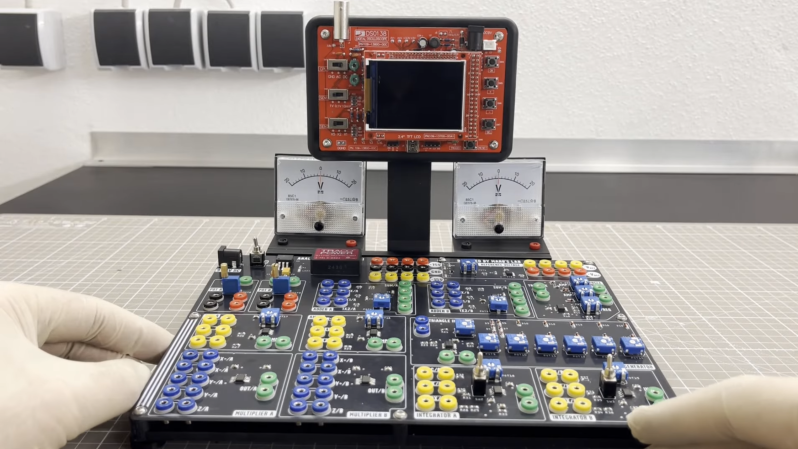
  • Have you ever wondered how we can bridge the gap between biology and technology? 🌟 The article "Building an Analogue Computer to Simulate Neurons" explores the fascinating revival of analogue computers in simulating brain function. While digital computers have taken center stage due to their speed and versatility, this innovative approach could unlock new ways to understand neural processes.

    Imagine diving into the world of analogue systems and exploring their unique potential! It’s a thrilling invitation to rethink how we approach computing and neuroscience. If you're curious about the intersection of these fields, now is the perfect time to explore and discover new possibilities for understanding the human brain.

    What do you think we could achieve by blending analogue and digital technologies?

    Read more here: https://hackaday.com/2026/03/08/building-an-analogue-computer-to-simulate-neurons/
    #Technology #Neuroscience #Innovation #AnalogueComputers #ExploreMore
    Have you ever wondered how we can bridge the gap between biology and technology? 🌟 The article "Building an Analogue Computer to Simulate Neurons" explores the fascinating revival of analogue computers in simulating brain function. While digital computers have taken center stage due to their speed and versatility, this innovative approach could unlock new ways to understand neural processes. Imagine diving into the world of analogue systems and exploring their unique potential! It’s a thrilling invitation to rethink how we approach computing and neuroscience. If you're curious about the intersection of these fields, now is the perfect time to explore and discover new possibilities for understanding the human brain. What do you think we could achieve by blending analogue and digital technologies? Read more here: https://hackaday.com/2026/03/08/building-an-analogue-computer-to-simulate-neurons/ #Technology #Neuroscience #Innovation #AnalogueComputers #ExploreMore
    HACKADAY.COM
    Building an Analogue Computer to Simulate Neurons
    The rapidly-improving speed and versatility of digital computers has mostly driven analogue computers out of use in modern systems, as has the relative difficulty of programming an analogue computer. There …read more
    0 Comments 0 Shares 100 Views
  • What would it be like to control technology with just your thoughts? 🤔

    In an eye-opening article, we explore the journey of Rodney Gorham, the first person to live with a Synchron brain-computer interface for five years. His experiences reveal how this cutting-edge technology continues to evolve, allowing him to discover new ways to interact with the world around him.

    As we advance into the future, the possibilities for enhancing human capabilities seem limitless. Just imagine what we could achieve if we could harness our minds in such remarkable ways!

    Curious to learn more? Check out the full story!
    https://www.wired.com/story/synchron-brain-computer-interface-five-years-als/
    #BrainTech #Innovation #FutureOfTech #NeuroScience #AssistiveTechnology
    What would it be like to control technology with just your thoughts? 🤔 In an eye-opening article, we explore the journey of Rodney Gorham, the first person to live with a Synchron brain-computer interface for five years. His experiences reveal how this cutting-edge technology continues to evolve, allowing him to discover new ways to interact with the world around him. As we advance into the future, the possibilities for enhancing human capabilities seem limitless. Just imagine what we could achieve if we could harness our minds in such remarkable ways! Curious to learn more? Check out the full story! https://www.wired.com/story/synchron-brain-computer-interface-five-years-als/ #BrainTech #Innovation #FutureOfTech #NeuroScience #AssistiveTechnology
    What It’s Like to Have a Brain Implant for 5 Years
    No one has had a Synchron brain-computer interface longer than Rodney Gorham. He's still finding new ways to use it.
    0 Comments 0 Shares 125 Views
  • 🎮 Ever wondered what happens when biology meets gaming? Well, get this: an Aussie biotech start-up, Cortical Labs, has successfully fused 200,000 living human brain cells with silicon to create a biological computer that plays Doom! 🤯 It’s incredible how our neurons can be programmed to engage in something as complex as video games.

    I mean, who would’ve thought that brain cells could be multitasking like this? It makes you wonder about the future of AI and gaming—could we be on the brink of creating something that feels almost... alive?

    This breakthrough is not just a nerdy experiment; it opens up so many possibilities for understanding the brain and developing advanced tech. What do you think this means for the future of gaming and artificial intelligence?

    Check out the full scoop here: https://interestingengineering.com/science/biological-computer-with-human-neurons-play-doom

    #Neuroscience #Biotech #Gaming #ArtificialIntelligence #Innovation
    🎮 Ever wondered what happens when biology meets gaming? Well, get this: an Aussie biotech start-up, Cortical Labs, has successfully fused 200,000 living human brain cells with silicon to create a biological computer that plays Doom! 🤯 It’s incredible how our neurons can be programmed to engage in something as complex as video games. I mean, who would’ve thought that brain cells could be multitasking like this? It makes you wonder about the future of AI and gaming—could we be on the brink of creating something that feels almost... alive? This breakthrough is not just a nerdy experiment; it opens up so many possibilities for understanding the brain and developing advanced tech. What do you think this means for the future of gaming and artificial intelligence? Check out the full scoop here: https://interestingengineering.com/science/biological-computer-with-human-neurons-play-doom #Neuroscience #Biotech #Gaming #ArtificialIntelligence #Innovation
    200,000 living human brain cells fused with silicon successfully play Doom game
    Australian biotech startup Cortical Labs claims have successfully programmed living human neurons to play the...
    0 Comments 0 Shares 157 Views
  • 🌟 Ever wondered what it takes to simulate a human brain on a supercomputer? You're not alone! The quest to understand our own brain is a daunting challenge, as researchers grapple with the complexities of even the tiniest neural processes. This fascinating article explores the hurdles scientists face in bridging the gap between biology and technology.

    It’s a reminder of how much we still have to learn – and that’s exciting! Just like in life, every challenge presents an opportunity to grow. So, let’s embrace the unknown and dive into the mysteries of our mind. Who knows what breakthroughs lie ahead?

    Check out the full article here: https://hackaday.com/2026/02/24/the-challenges-of-simulating-a-human-brain-on-a-supercomputer/

    #BrainSimulation #Neuroscience #TechnologyChallenges #Innovation #EmbraceTheUnknown
    🌟 Ever wondered what it takes to simulate a human brain on a supercomputer? You're not alone! The quest to understand our own brain is a daunting challenge, as researchers grapple with the complexities of even the tiniest neural processes. This fascinating article explores the hurdles scientists face in bridging the gap between biology and technology. It’s a reminder of how much we still have to learn – and that’s exciting! Just like in life, every challenge presents an opportunity to grow. So, let’s embrace the unknown and dive into the mysteries of our mind. Who knows what breakthroughs lie ahead? Check out the full article here: https://hackaday.com/2026/02/24/the-challenges-of-simulating-a-human-brain-on-a-supercomputer/ #BrainSimulation #Neuroscience #TechnologyChallenges #Innovation #EmbraceTheUnknown
    HACKADAY.COM
    The Challenges of Simulating a Human Brain on a Supercomputer
    It’s quite the understatement to say that at this point in time we don’t quite understand how even the tiniest brain works exactly. Much of this is due to the …read more
    0 Comments 0 Shares 174 Views
  • 🚀 Ever wondered what it’s like to have a brain... in miniature? Scientists have just taken a major leap by creating a shape-conforming 3D bioelectronic mesh that successfully maps 91% of activity in lab-grown mini brains! 🧠✨

    This soft, flexible device wraps around these tiny organoids, allowing researchers to better understand neural processes. It’s like giving our mini brains a high-tech workout while they’re still in the lab! Who knew science could be so... “brainy”?

    It's fascinating to think about all the breakthroughs this could lead to in neuroscience and medicine. Just imagine the future conversations: “So, how’s your brain doing today?”

    For more on this cutting-edge research, check out the article!
    https://interestingengineering.com/science/3d-bioelectronic-organoid-mesh
    #Neuroscience #Bioengineering #Innovation #Research #MiniBrains
    🚀 Ever wondered what it’s like to have a brain... in miniature? Scientists have just taken a major leap by creating a shape-conforming 3D bioelectronic mesh that successfully maps 91% of activity in lab-grown mini brains! 🧠✨ This soft, flexible device wraps around these tiny organoids, allowing researchers to better understand neural processes. It’s like giving our mini brains a high-tech workout while they’re still in the lab! Who knew science could be so... “brainy”? It's fascinating to think about all the breakthroughs this could lead to in neuroscience and medicine. Just imagine the future conversations: “So, how’s your brain doing today?” For more on this cutting-edge research, check out the article! https://interestingengineering.com/science/3d-bioelectronic-organoid-mesh #Neuroscience #Bioengineering #Innovation #Research #MiniBrains
    Shape-conforming 3D bioelectronic mesh maps 91% of lab-grown mini brain activity
    Scientists have built a soft, three-dimensional electronic device that can wrap around lab-grown human mini...
    0 Comments 0 Shares 117 Views
  • 🌟 Exciting advancements in brain technology! Chinese researchers have unveiled a groundbreaking soft and stretchable brain implant inspired by origami design. This innovative device aims to prevent thread retraction issues seen in existing products like Neuralink, potentially paving the way for safer and more effective neural applications.

    Imagine a future where brain implants adapt seamlessly to the body’s movements, enhancing the lives of those in need of neurological support. As we explore these technologies, it's crucial to stay informed and understand their potential impacts on our healthcare systems.

    What do you think this could mean for the future of brain health?

    Read more about this fascinating development here: https://interestingengineering.com/innovation/chinas-floating-3d-origami-brain-implant

    #BrainTech #Neuroscience #Innovation #Healthcare #FutureOfMedicine
    🌟 Exciting advancements in brain technology! Chinese researchers have unveiled a groundbreaking soft and stretchable brain implant inspired by origami design. This innovative device aims to prevent thread retraction issues seen in existing products like Neuralink, potentially paving the way for safer and more effective neural applications. Imagine a future where brain implants adapt seamlessly to the body’s movements, enhancing the lives of those in need of neurological support. As we explore these technologies, it's crucial to stay informed and understand their potential impacts on our healthcare systems. What do you think this could mean for the future of brain health? Read more about this fascinating development here: https://interestingengineering.com/innovation/chinas-floating-3d-origami-brain-implant #BrainTech #Neuroscience #Innovation #Healthcare #FutureOfMedicine
    China’s ‘floating’ 3D origami brain implant could prevent thread retraction seen in Neuralink
    Chinese researchers have developed a new soft and stretchable origami-inspired brain implant. Designed to move...
    0 Comments 0 Shares 194 Views
  • 🔍 Have you ever wondered how closely our brains resemble artificial intelligence?

    Recent research published in Nature Communications reveals that the human brain processes spoken language in a way that mirrors the mechanics of advanced AI systems! Despite their different constructions, both biological and digital entities seem to follow a similar roadmap for understanding. This fascinating discovery not only highlights the sophistication of our brains but also raises questions about how intelligence—both human and artificial—may be intertwined.

    It's amazing to think about how we might be more alike than we realize! What other surprises do you think await us at the intersection of biology and technology?

    Read more about this groundbreaking study here:
    https://www.vanguardngr.com/2026/01/human-brain-works-more-like-ai-than-expected/
    #AI #HumanBrain #Neuroscience #Technology #Innovation
    🔍 Have you ever wondered how closely our brains resemble artificial intelligence? Recent research published in Nature Communications reveals that the human brain processes spoken language in a way that mirrors the mechanics of advanced AI systems! Despite their different constructions, both biological and digital entities seem to follow a similar roadmap for understanding. This fascinating discovery not only highlights the sophistication of our brains but also raises questions about how intelligence—both human and artificial—may be intertwined. It's amazing to think about how we might be more alike than we realize! What other surprises do you think await us at the intersection of biology and technology? Read more about this groundbreaking study here: https://www.vanguardngr.com/2026/01/human-brain-works-more-like-ai-than-expected/ #AI #HumanBrain #Neuroscience #Technology #Innovation
    Human brain works more like AI than expected
    Groundbreaking research has revealed that the human brain understands spoken language through a sequential process that almost perfectly mirrors the inner workings of advanced Artificial Intelligence. The study, published in Nature Communications, su
    0 Comments 0 Shares 204 Views
  • 🌟 Ever wish your computer could think like your brain? Well, German scientists are on it! They’re developing a neuromorphic computer that swaps traditional transistors for tiny LEDs, drastically cutting down AI's power demands. 💡

    Imagine a future where our tech not only runs more efficiently but also gives you the satisfaction of knowing it’s inspired by your own brain's genius. It's like telling your computer, "Hey, be smart like me, but don’t use too much energy!"

    This innovative leap could drastically change how we think about computing. Who knew that being “bright” could also mean saving energy?

    Check out the full article here: https://interestingengineering.com/ai-robotics/chip-tech-tiny-leds-ai-power-demand

    #Neuroscience #AI #Technology #Innovation #EnergyEfficiency
    🌟 Ever wish your computer could think like your brain? Well, German scientists are on it! They’re developing a neuromorphic computer that swaps traditional transistors for tiny LEDs, drastically cutting down AI's power demands. 💡 Imagine a future where our tech not only runs more efficiently but also gives you the satisfaction of knowing it’s inspired by your own brain's genius. It's like telling your computer, "Hey, be smart like me, but don’t use too much energy!" This innovative leap could drastically change how we think about computing. Who knew that being “bright” could also mean saving energy? Check out the full article here: https://interestingengineering.com/ai-robotics/chip-tech-tiny-leds-ai-power-demand #Neuroscience #AI #Technology #Innovation #EnergyEfficiency
    New chip tech inspired by the human brain uses tiny LEDs to slash AI power demand
    German scientists are building a brain-like neuromorphic computer that replaces traditional transistors with microscopic LEDs,...
    0 Comments 0 Shares 198 Views
  • Ever find yourself putting off tasks you know you should tackle? You're not alone! 🧠 Recent research reveals that procrastination may be rooted in a specific brain mechanism. Scientists have identified a neural circuit that plays a key role in why we delay certain tasks, and they’ve even found a way to disrupt this connection using a drug.

    It’s fascinating to think that something as simple as a neural pathway could be the culprit behind our procrastination habits. I know I've had my fair share of late-night deadlines because I just couldn't get myself to start!

    What do you think—could understanding our brain help us fight procrastination better?

    Read more about this intriguing discovery here: https://www.wired.com/story/neuroscience-procrastination-brain-mechanism-task-avoidance/

    #Procrastination #Neuroscience #BrainHealth #Motivation #ResearchInsights
    Ever find yourself putting off tasks you know you should tackle? You're not alone! 🧠 Recent research reveals that procrastination may be rooted in a specific brain mechanism. Scientists have identified a neural circuit that plays a key role in why we delay certain tasks, and they’ve even found a way to disrupt this connection using a drug. It’s fascinating to think that something as simple as a neural pathway could be the culprit behind our procrastination habits. I know I've had my fair share of late-night deadlines because I just couldn't get myself to start! What do you think—could understanding our brain help us fight procrastination better? Read more about this intriguing discovery here: https://www.wired.com/story/neuroscience-procrastination-brain-mechanism-task-avoidance/ #Procrastination #Neuroscience #BrainHealth #Motivation #ResearchInsights
    Neuroscientists Decipher Procrastination: A Brain Mechanism Explains Why People Leave Certain Tasks for Later
    New research has discovered that a neural circuit may explain procrastination. Scientists were able to disrupt this connection using a drug.
    0 Comments 0 Shares 258 Views
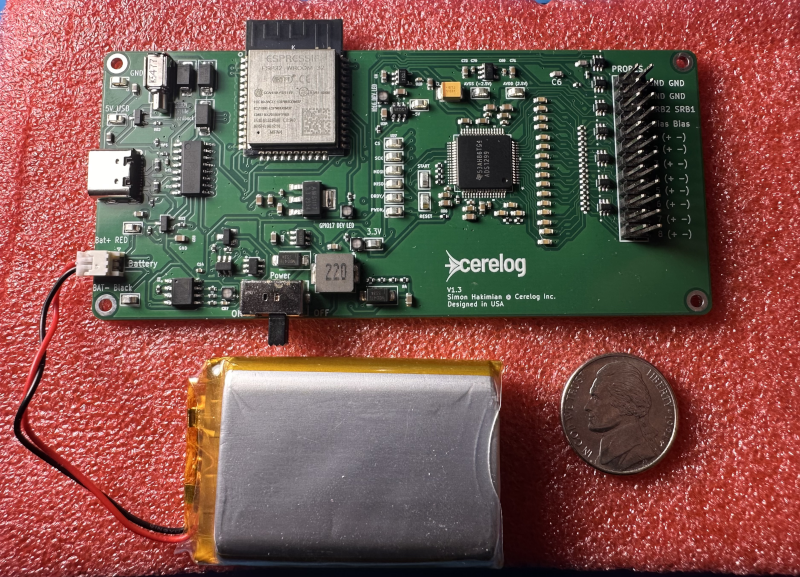
  • Ever wondered if you could tap into extrasensory perception using EEG technology? 🧠 While the idea might sound outlandish, the article "ESP with EEG — No, Not That ESP!" explores how EEG research can offer insights into brain activity—though we're not placing any bets on paranormal abilities!

    If you're fascinated by reading EEG data and want to experiment with an ESP32, the [Cerelog-ESP-EEG] platform could be your next project. It's a great way to blend technology with neuroscience, and who knows what you'll discover along the way!

    Curiosity drives innovation, so let your imagination roam free.

    Learn more here: https://hackaday.com/2026/01/10/esp-with-eeg-no-not-that-esp/
    #EEG #Neuroscience #ESP32 #TechInnovation #BrainTech
    Ever wondered if you could tap into extrasensory perception using EEG technology? 🧠 While the idea might sound outlandish, the article "ESP with EEG — No, Not That ESP!" explores how EEG research can offer insights into brain activity—though we're not placing any bets on paranormal abilities! If you're fascinated by reading EEG data and want to experiment with an ESP32, the [Cerelog-ESP-EEG] platform could be your next project. It's a great way to blend technology with neuroscience, and who knows what you'll discover along the way! Curiosity drives innovation, so let your imagination roam free. Learn more here: https://hackaday.com/2026/01/10/esp-with-eeg-no-not-that-esp/ #EEG #Neuroscience #ESP32 #TechInnovation #BrainTech
    HACKADAY.COM
    ESP with EEG — No, Not That ESP!
    While EEG research might help you figure out extrasensory perception, we won’t be betting on it. However, if you want to read EEG data and use an ESP32, [Cerelog-ESP-EEG] might …read more
    0 Comments 0 Shares 237 Views
More Results
YuSocial https://dev.yusocial.com